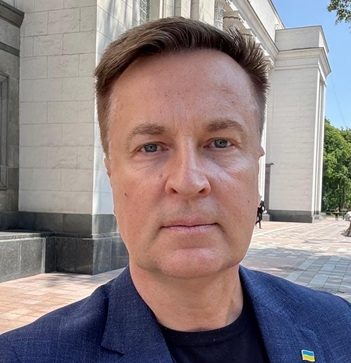
Ukraine’s NATO & EU path unchanged

”After the Revolution of Dignity, Ukraine made a choice that cannot be reversed — the path toward the European Union and NATO. This is not a slogan, but a strategic decision born of pain, experience, and the understanding that independence cannot exist without a system of security. The price of this choice has been extraordinarily high.”

Valentyn Nalyvaichenko
Ex-Head of the SSU, MP
Secretary of the Committee on Ukraine’s Integration into the EU
Ukraine

The strategic importance of Finland’s neighboring regions and the growing security challenges

”Russia’s brutal and unjustified invasion of Ukraine in February 2022 led, to put it bluntly, to the withdrawal of Russian troops from this area, from our vicinity, more or less completely, with the exception of the Kaliningrad enclave, of course. From a purely military perspective the situation was excellent. The threat of Russia’s aggression against its neighbouring countries with traditional, conventional military means became quickly very unlikely.”

Juha Vauhkonen
Rear Admiral (ret), Defence Command Chief of Intelligence (2021-2023)
Finland

The enduring value of secret intelligence

”Human intelligence has always had survival value, to reduce ignorance of what might be over the hill, assessing whether the rustle in the trees ahead is most likely the hunters’ lunch or whether they will end up being a predator’s lunch. Also of proven value is secret intelligence – information that people who may mean harm do not want to be known, both concerning their hostile intentions and their capabilities to cause damage.”

Sir David Omand
Visiting Professor
War Studies Department
King’s College London
United Kingdom

The Baltic Sea – A sea of war and peace

”Throughout history, the Baltic Sea has undeniably been of greater geopolitical importance than its size, and it remains at the heart of European security policy. The Baltic Sea has al-ways been a channel, not only for trade, but also for cooperation and cultural exchange. On the other hand, it is also a scene of competition, power struggles and conflicts.”

Markku Pajuniemi
Colonel, Director
Finnish Defence Intelligence Agency (FDIA)
Finland

World map with interconnected network lines representing global connectivity.
Mats Löfström: Intelligence as a pillar of security in the Baltic Sea RegionBaltic Rim Economies 1/2026

Mats Löfström: Intelligence as a pillar of security in the Baltic Sea Region

22.1.2026 Read More
World map with interconnected network lines representing global connectivity.
Valentyn Nalyvaichenko: Ukraine’s NATO & EU path unchangedBaltic Rim Economies 1/2026

Valentyn Nalyvaichenko: Ukraine’s NATO & EU path unchanged

22.1.2026 Read More
World map with interconnected network lines representing global connectivity.
Ilkka Salmi: The European Commission security landscape: From technocratic executive to geopolitical actorBaltic Rim Economies 1/2026

Ilkka Salmi: The European Commission security landscape: From technocratic executive to geopolitical actor

22.1.2026 Read More
World map with interconnected network lines representing global connectivity.
Juha Martelius & Kari Laitinen: Information, intelligence and national securityBaltic Rim Economies 1/2026

Juha Martelius & Kari Laitinen: Information, intelligence and national security

22.1.2026 Read More
World map with interconnected network lines representing global connectivity.
Arnold Sinisalu: Strategic shifts in Estonia’s national security architecture following the 2007 Bronze Soldier riotsBaltic Rim Economies 1/2026

Arnold Sinisalu: Strategic shifts in Estonia’s national security architecture following the 2007 Bronze Soldier riots

22.1.2026 Read More
World map with interconnected network lines representing global connectivity.
Anja Dalgaard-Nielsen: Diversity in intelligence agencies: Three reasons why we need more, not lessBaltic Rim Economies 1/2026

Anja Dalgaard-Nielsen: Diversity in intelligence agencies: Three reasons why we need more, not less

22.1.2026 Read More
World map with interconnected network lines representing global connectivity.
Norbert Loba: This is not the time to create illusions of securityBaltic Rim Economies 1/2026

Norbert Loba: This is not the time to create illusions of security

22.1.2026 Read More
World map with interconnected network lines representing global connectivity.
Joseph Wippl: Intelligence and National SecurityBaltic Rim Economies 1/2026

Joseph Wippl: Intelligence and National Security

22.1.2026 Read More
World map with interconnected network lines representing global connectivity.
Richard J. Kilroy Jr.: Can the Transatlantic alliance survive the Trump presidency?Baltic Rim Economies 1/2026

Richard J. Kilroy Jr.: Can the Transatlantic alliance survive the Trump presidency?

22.1.2026 Read More
World map with interconnected network lines representing global connectivity.
Hannu Himanen: Westlessness to helplessness? The liberal order is Europe’s to saveBaltic Rim Economies 1/2026

Hannu Himanen: Westlessness to helplessness? The liberal order is Europe’s to save

22.1.2026 Read More
World map with interconnected network lines representing global connectivity.
Edvilas Raudonikis: Nordic and Baltic Eight (NB8): A model of success and responsibilityBaltic Rim Economies 1/2026

Edvilas Raudonikis: Nordic and Baltic Eight (NB8): A model of success and responsibility

22.1.2026 Read More
World map with interconnected network lines representing global connectivity.
Hedvig Ördén: Rethinking European intelligence cooperationBaltic Rim Economies 1/2026

Hedvig Ördén: Rethinking European intelligence cooperation

22.1.2026 Read More
Mats Löfström: Intelligence as a pillar of security in the Baltic Sea Region

Mats Löfström: Intelligence as a pillar of security in the Baltic Sea Region

Valentyn Nalyvaichenko: Ukraine’s NATO & EU path unchanged

Valentyn Nalyvaichenko: Ukraine’s NATO & EU path unchanged

Ilkka Salmi: The European Commission security landscape: From technocratic executive to geopolitical actor

Ilkka Salmi: The European Commission security landscape: From technocratic executive to geopolitical actor

Juha Martelius & Kari Laitinen: Information, intelligence and national security

Juha Martelius & Kari Laitinen: Information, intelligence and national security

Arnold Sinisalu: Strategic shifts in Estonia’s national security architecture following the 2007 Bronze Soldier riots

Arnold Sinisalu: Strategic shifts in Estonia’s national security architecture following the 2007 Bronze Soldier riots

Anja Dalgaard-Nielsen: Diversity in intelligence agencies: Three reasons why we need more, not less

Anja Dalgaard-Nielsen: Diversity in intelligence agencies: Three reasons why we need more, not less

Norbert Loba: This is not the time to create illusions of security

Norbert Loba: This is not the time to create illusions of security

Joseph Wippl: Intelligence and National Security

Joseph Wippl: Intelligence and National Security

Richard J. Kilroy Jr.: Can the Transatlantic alliance survive the Trump presidency?

Richard J. Kilroy Jr.: Can the Transatlantic alliance survive the Trump presidency?

Hannu Himanen: Westlessness to helplessness? The liberal order is Europe’s to save

Hannu Himanen: Westlessness to helplessness? The liberal order is Europe’s to save

Edvilas Raudonikis: Nordic and Baltic Eight (NB8): A model of success and responsibility

Edvilas Raudonikis: Nordic and Baltic Eight (NB8): A model of success and responsibility

Hedvig Ördén: Rethinking European intelligence cooperation

Hedvig Ördén: Rethinking European intelligence cooperation

Artur Gruszczak: Prospects for stronger and more effective European intelligence cooperation

Artur Gruszczak: Prospects for stronger and more effective European intelligence cooperation

Andrew Defty: The case for a joined-up approach to intelligence oversight

Andrew Defty: The case for a joined-up approach to intelligence oversight

Artis Pabriks: The role of intelligence for successful governance

Artis Pabriks: The role of intelligence for successful governance

Nigel West: Intelligence influence

Nigel West: Intelligence influence

Arturo G. Muñoz: Intelligence and diplomacy

Arturo G. Muñoz: Intelligence and diplomacy

Peter Ericson: Intelligence and diplomacy

Peter Ericson: Intelligence and diplomacy

Teemu Turunen: Intelligence diplomacy

Teemu Turunen: Intelligence diplomacy

Jussi Tanner: Intelligence and foreign policy in military conflict

Jussi Tanner: Intelligence and foreign policy in military conflict

Loch K. Johnson: National security intelligence in a democratic framework

Loch K. Johnson: National security intelligence in a democratic framework

Mark Phythian: Intelligence and the politics of threat

Mark Phythian: Intelligence and the politics of threat

John A. Gentry: The cultural politicization of intelligence

John A. Gentry: The cultural politicization of intelligence

Peter Gill: Intelligence and authoritarians: a duty to disobey?

Peter Gill: Intelligence and authoritarians: a duty to disobey?

Greta E. Creech: The tetrahedron of trust: Navigating institutional distrust in Western intelligence

Greta E. Creech: The tetrahedron of trust: Navigating institutional distrust in Western intelligence

Neil Rawsthorne: The democratisation of intelligence

Neil Rawsthorne: The democratisation of intelligence

Joonas Widlund: Strategic intelligence in a democracy

Joonas Widlund: Strategic intelligence in a democracy

Johannes Koponen & Nathaniel Gilkey: Acting before geopolitical risk materialises

Johannes Koponen & Nathaniel Gilkey: Acting before geopolitical risk materialises

Jan Goldman: Covert operations and hybrid warfare

Jan Goldman: Covert operations and hybrid warfare

Melissa Graves: Minutes to trust: Baltic hybrid defense

Melissa Graves: Minutes to trust: Baltic hybrid defense

Tony Ingesson: Biotechnology and hybrid warfare

Tony Ingesson: Biotechnology and hybrid warfare

Chad Briggs: Lessons for hybrid & disaster risk intelligence

Chad Briggs: Lessons for hybrid & disaster risk intelligence

Adrian Hänni: Intelligence and strategic communication

Adrian Hänni: Intelligence and strategic communication

Rubén Arcos: Intelligence and anticipatory communication

Rubén Arcos: Intelligence and anticipatory communication

Filippa Lentzos & Gemma Bowsher: CBRN disinformation as strategic weapon

Filippa Lentzos & Gemma Bowsher: CBRN disinformation as strategic weapon

Iikka Pietilä: Approaches for identifying vulnerabilities in the cognitive domain

Iikka Pietilä: Approaches for identifying vulnerabilities in the cognitive domain

Jouni Mölsä: The new strategic resources: Trust and antifragility

Jouni Mölsä: The new strategic resources: Trust and antifragility

Philip M. Baxter: Strengthening intelligence for the AI era

Philip M. Baxter: Strengthening intelligence for the AI era

James L. Regens: Artificial intelligence is transforming the character of war

James L. Regens: Artificial intelligence is transforming the character of war

Kathleen M. Vogel: AI and bio-threat assessments

Kathleen M. Vogel: AI and bio-threat assessments

Stig Stenslie: Digital Beijingology: Towards an AI-driven intelligence methodology for analysing Chinese politics

Stig Stenslie: Digital Beijingology: Towards an AI-driven intelligence methodology for analysing Chinese politics

Sarita Blomqvist: New challenges for OSINT and journalism: Fighting fake news in the age of AI

Sarita Blomqvist: New challenges for OSINT and journalism: Fighting fake news in the age of AI

Bram Spoor: OSINT in NATO’s Multinational Corps Northeast

Bram Spoor: OSINT in NATO’s Multinational Corps Northeast

Peter de Werd: Military OSINT: low-hanging or forbidden fruit?

Peter de Werd: Military OSINT: low-hanging or forbidden fruit?

Stephen Coulthart: Lessons from Ukraine: How OSINT networks are changing war

Stephen Coulthart: Lessons from Ukraine: How OSINT networks are changing war

Giangiuseppe Pili: The satellites are cast – geospatial gntelligence in an era of open source intelligence

Giangiuseppe Pili: The satellites are cast – geospatial gntelligence in an era of open source intelligence

Robert Dover: The impact of large language models on intelligence

Robert Dover: The impact of large language models on intelligence

Olli Teirilä: Dynamics of intelligence-media relationship

Olli Teirilä: Dynamics of intelligence-media relationship

Harri Mäki-Reinikka: Building comprehensive security – Finland as a model for EU preparedness

Harri Mäki-Reinikka: Building comprehensive security – Finland as a model for EU preparedness

Juha Vauhkonen: The strategic importance of Finland’s neighboring regions and the growing security challenges

Juha Vauhkonen: The strategic importance of Finland’s neighboring regions and the growing security challenges

Outi Salovaara: Finland’s eastern frontier – where democracy meets totalitarianism

Outi Salovaara: Finland’s eastern frontier – where democracy meets totalitarianism

Markus Laine: Police as the first responder for threats to national security

Markus Laine: Police as the first responder for threats to national security

Peter Sund: Internal Security Policy of Finland – examination of its impact on industries

Peter Sund: Internal Security Policy of Finland – examination of its impact on industries

Tommi Koivula: On Finnish intelligence culture

Tommi Koivula: On Finnish intelligence culture

Antti Aine: Legal resilience and intelligence

Antti Aine: Legal resilience and intelligence

Wesley Wark: Canadian intelligence at a cross-roads

Wesley Wark: Canadian intelligence at a cross-roads

Sven Felix Kellerhoff: Capital of spies in the Cold War and today

Sven Felix Kellerhoff: Capital of spies in the Cold War and today

Kimmo Elo: Germany’s liberal democracy under pressure: China and Russia as the most active “foreign powers”

Kimmo Elo: Germany’s liberal democracy under pressure: China and Russia as the most active “foreign powers”

Alexander Claver: The Devil’s Advocate within Dutch military intelligence

Alexander Claver: The Devil’s Advocate within Dutch military intelligence

Dieter Bacher: Austria’s legacy as a Cold War intelligence hotspot

Dieter Bacher: Austria’s legacy as a Cold War intelligence hotspot

David Strachan-Morris: The argument for an Irish Intelligence Service

David Strachan-Morris: The argument for an Irish Intelligence Service

Sir David Omand: The enduring value of secret intelligence

Sir David Omand: The enduring value of secret intelligence

Joonas Sipilä: Intelligence producer–consumer relationship

Joonas Sipilä: Intelligence producer–consumer relationship

Saskia Pothoven: Producer-consumer relations: a false dichotomy?

Saskia Pothoven: Producer-consumer relations: a false dichotomy?

Jyrki Isokangas: The paradigm shift of intelligence and the challenge of buzzwords

Jyrki Isokangas: The paradigm shift of intelligence and the challenge of buzzwords

James J. Wirtz: The key to intelligence success

James J. Wirtz: The key to intelligence success

Kurt F. Jensen: Foreign intelligence: One perspective

Kurt F. Jensen: Foreign intelligence: One perspective

Kira Vrist Rønn: Whole-of-society approach to foreign espionage

Kira Vrist Rønn: Whole-of-society approach to foreign espionage

Martti Lehto: Intelligence and espionage in the cyber world

Martti Lehto: Intelligence and espionage in the cyber world

Kalle Salminen: Intelligence at the edge

Kalle Salminen: Intelligence at the edge

Klaus Ilmonen: Corporate statecraft – divided fealties

Klaus Ilmonen: Corporate statecraft – divided fealties

Darren E. Tromblay: Beyond spy-versus-spy: Counterintelligence as information warfare

Darren E. Tromblay: Beyond spy-versus-spy: Counterintelligence as information warfare

Kristian Gustafson: Structured intelligence analysis for the modern military

Kristian Gustafson: Structured intelligence analysis for the modern military

Magnus Andersson: Improving operational intelligence analysis

Magnus Andersson: Improving operational intelligence analysis

Tallat R. Shakoor: Escaping the intelligence cycle straitjacket?

Tallat R. Shakoor: Escaping the intelligence cycle straitjacket?

Pär Anders Granhag: The Scharff technique for eliciting human intelligence

Pär Anders Granhag: The Scharff technique for eliciting human intelligence

Władysław Bułhak: Illegals – Lessons from Polish and British archives

Władysław Bułhak: Illegals – Lessons from Polish and British archives

Melina J. Dobson: Rethinking US insider disclosures

Melina J. Dobson: Rethinking US insider disclosures

Jennifer A. Davis: Supporting women in intelligence leadership

Jennifer A. Davis: Supporting women in intelligence leadership

Niko Makkonen: Intelligence studies as a developer of intelligence and intelligence culture

Niko Makkonen: Intelligence studies as a developer of intelligence and intelligence culture

Gordan Akrap: Strategic intelligence and education

Gordan Akrap: Strategic intelligence and education

Tobbe Petterson: Joint Nordic-Baltic intelligence research

Tobbe Petterson: Joint Nordic-Baltic intelligence research

Suvi Heinonen: Seismology improves situational awareness

Suvi Heinonen: Seismology improves situational awareness

Olli-Matti Mikkola: Energy transition as a strategic intelligence issue

Olli-Matti Mikkola: Energy transition as a strategic intelligence issue

Ossi Kettunen: Arctic tensions – can they be controlled?

Ossi Kettunen: Arctic tensions – can they be controlled?

Teemu Naarajärvi: The complexifying China challenge

Teemu Naarajärvi: The complexifying China challenge

Dheeraj Paramesha-Chaya: Perils of India’s ‘intelligence-free’ grand strategy

Dheeraj Paramesha-Chaya: Perils of India’s ‘intelligence-free’ grand strategy

Sajal Kabiraj: Asian science espionage in Europe: Is it a narrative or wake-up call?

Sajal Kabiraj: Asian science espionage in Europe: Is it a narrative or wake-up call?

Ryan Shaffer: Learning intelligence from Africa: Insights from the Nigerian intelligence literature

Ryan Shaffer: Learning intelligence from Africa: Insights from the Nigerian intelligence literature

Markku Pajuniemi: The Baltic Sea – A sea of war and peace

Markku Pajuniemi: The Baltic Sea – A sea of war and peace

Rt Hon Charles Clarke: Current intelligence challenges in the Baltic

Rt Hon Charles Clarke: Current intelligence challenges in the Baltic

Benjamin L. Schmitt: The Baltic Rim Economies must lead the global response to “Underwater Mayhem”

Benjamin L. Schmitt: The Baltic Rim Economies must lead the global response to “Underwater Mayhem”

Mika Suonpää: Intelligence networks in the Baltic Sea Region during the interwar period

Mika Suonpää: Intelligence networks in the Baltic Sea Region during the interwar period

Zachary Selden: Historical legacies and the development of the Central Intelligence Agency

Zachary Selden: Historical legacies and the development of the Central Intelligence Agency

Jukka Rislakki: Intelligence services: Don’t shoot the messenger

Jukka Rislakki: Intelligence services: Don’t shoot the messenger

Mikko Virta: Secret back channels in cold war

Mikko Virta: Secret back channels in cold war

Bernd von Kostka: Licence to Spy: Legal espionage behind the iron curtain

Bernd von Kostka: Licence to Spy: Legal espionage behind the iron curtain

Aleksi Mainio: Émigré combat organizations and Ukrainian activism in Finland in the 1920s and 1930s

Aleksi Mainio: Émigré combat organizations and Ukrainian activism in Finland in the 1920s and 1930s

Mikael Lohse: Juggernaut – Security Service of Ukraine

Mikael Lohse: Juggernaut – Security Service of Ukraine

Leo Niemi: The role of geospatial data in civilian-led OSINT during the war in Ukraine

Leo Niemi: The role of geospatial data in civilian-led OSINT during the war in Ukraine

Greg Mills & Ray Hartley: Resilience: How war is won

Greg Mills & Ray Hartley: Resilience: How war is won

Michael S. Goodman: National security challenges to 2030 and beyond

Michael S. Goodman: National security challenges to 2030 and beyond

Patrick F. Walsh: Foresight Intelligence: The Five Eyes Intelligence Alliance and the Baltic States

Patrick F. Walsh: Foresight Intelligence: The Five Eyes Intelligence Alliance and the Baltic States

Greg Fyffe: Hypothetical futures and the polycrisis

Greg Fyffe: Hypothetical futures and the polycrisis

Toni Ahlqvist: Future uncertainties, emergence and context: On interface of strategic foresight and intelligence studies

Toni Ahlqvist: Future uncertainties, emergence and context: On interface of strategic foresight and intelligence studies

Christoph O. Meyer: Why intelligence-based foresight has lacked impact

Christoph O. Meyer: Why intelligence-based foresight has lacked impact

Jari Kaivo-oja: Interfaces between intelligence research and foresight research: Promoting fruitful interfaces

Jari Kaivo-oja: Interfaces between intelligence research and foresight research: Promoting fruitful interfaces

Linda Räihä: Foresight and intelligence: Sides of the coin

Linda Räihä: Foresight and intelligence: Sides of the coin

Max Stucki: Value from foresight in strategic decisions

Max Stucki: Value from foresight in strategic decisions

Stephen Blank: Russia’s intelligence state and its war

Stephen Blank: Russia’s intelligence state and its war

Hanna Mäkinen: Russia’s hybrid warfare in Europe

Hanna Mäkinen: Russia’s hybrid warfare in Europe

Olga Bertelsen: Russian influence operations among western intellectuals

Olga Bertelsen: Russian influence operations among western intellectuals

Craig Unger: America’s new Manchurian Candidate

Craig Unger: America’s new Manchurian Candidate

Mikko Porvali: Russian human intelligence in a new environment

Mikko Porvali: Russian human intelligence in a new environment

Jardar Østbø: Russia is not a ‘KGB state’

Jardar Østbø: Russia is not a ‘KGB state’

John Helin: Interpreting the Russian milblogger ecosystem

John Helin: Interpreting the Russian milblogger ecosystem

Rodney E. Pearce: Russian medically assisted homicide

Rodney E. Pearce: Russian medically assisted homicide

Kari Liuhto: Critical information needs on Russia

Kari Liuhto: Critical information needs on Russia

Ukraine’s NATO & EU path unchanged

”After the Revolution of Dignity, Ukraine made a choice that cannot be reversed — the path toward the European Union and NATO. This is not a slogan, but a strategic decision born of pain, experience, and the understanding that independence cannot exist without a system of security. The price of this choice has been extraordinarily high.”

Valentyn Nalyvaichenko
Ex-Head of the SSU, MP
Secretary of the Committee on Ukraine’s Integration into the EU
Ukraine
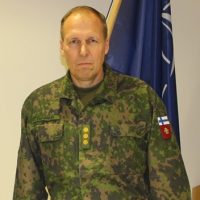
The strategic importance of Finland’s neighboring regions and the growing security challenges

”Russia’s brutal and unjustified invasion of Ukraine in February 2022 led, to put it bluntly, to the withdrawal of Russian troops from this area, from our vicinity, more or less completely, with the exception of the Kaliningrad enclave, of course. From a purely military perspective the situation was excellent. The threat of Russia’s aggression against its neighbouring countries with traditional, conventional military means became quickly very unlikely.”

Juha Vauhkonen
Rear Admiral (ret), Defence Command Chief of Intelligence (2021-2023)
Finland

The enduring value of secret intelligence

”Human intelligence has always had survival value, to reduce ignorance of what might be over the hill, assessing whether the rustle in the trees ahead is most likely the hunters’ lunch or whether they will end up being a predator’s lunch. Also of proven value is secret intelligence – information that people who may mean harm do not want to be known, both concerning their hostile intentions and their capabilities to cause damage.”

Sir David Omand
Visiting Professor
War Studies Department
King’s College London
United Kingdom

The Baltic Sea – A sea of war and peace

”Throughout history, the Baltic Sea has undeniably been of greater geopolitical importance than its size, and it remains at the heart of European security policy. The Baltic Sea has al-ways been a channel, not only for trade, but also for cooperation and cultural exchange. On the other hand, it is also a scene of competition, power struggles and conflicts.”

Markku Pajuniemi
Colonel, Director
Finnish Defence Intelligence Agency (FDIA)
Finland

Mats Löfström: Intelligence as a pillar of security in the Baltic Sea Region

Mats Löfström: Intelligence as a pillar of security in the Baltic Sea Region

Valentyn Nalyvaichenko: Ukraine’s NATO & EU path unchanged

Valentyn Nalyvaichenko: Ukraine’s NATO & EU path unchanged

Ilkka Salmi: The European Commission security landscape: From technocratic executive to geopolitical actor

Ilkka Salmi: The European Commission security landscape: From technocratic executive to geopolitical actor

Juha Martelius & Kari Laitinen: Information, intelligence and national security

Juha Martelius & Kari Laitinen: Information, intelligence and national security

Arnold Sinisalu: Strategic shifts in Estonia’s national security architecture following the 2007 Bronze Soldier riots

Arnold Sinisalu: Strategic shifts in Estonia’s national security architecture following the 2007 Bronze Soldier riots

Anja Dalgaard-Nielsen: Diversity in intelligence agencies: Three reasons why we need more, not less

Anja Dalgaard-Nielsen: Diversity in intelligence agencies: Three reasons why we need more, not less

Norbert Loba: This is not the time to create illusions of security

Norbert Loba: This is not the time to create illusions of security

Joseph Wippl: Intelligence and National Security

Joseph Wippl: Intelligence and National Security

Richard J. Kilroy Jr.: Can the Transatlantic alliance survive the Trump presidency?

Richard J. Kilroy Jr.: Can the Transatlantic alliance survive the Trump presidency?

Hannu Himanen: Westlessness to helplessness? The liberal order is Europe’s to save

Hannu Himanen: Westlessness to helplessness? The liberal order is Europe’s to save

Edvilas Raudonikis: Nordic and Baltic Eight (NB8): A model of success and responsibility

Edvilas Raudonikis: Nordic and Baltic Eight (NB8): A model of success and responsibility

Hedvig Ördén: Rethinking European intelligence cooperation

Hedvig Ördén: Rethinking European intelligence cooperation

Artur Gruszczak: Prospects for stronger and more effective European intelligence cooperation

Artur Gruszczak: Prospects for stronger and more effective European intelligence cooperation

Andrew Defty: The case for a joined-up approach to intelligence oversight

Andrew Defty: The case for a joined-up approach to intelligence oversight

Artis Pabriks: The role of intelligence for successful governance

Artis Pabriks: The role of intelligence for successful governance

Nigel West: Intelligence influence

Nigel West: Intelligence influence

Arturo G. Muñoz: Intelligence and diplomacy

Arturo G. Muñoz: Intelligence and diplomacy

Peter Ericson: Intelligence and diplomacy

Peter Ericson: Intelligence and diplomacy

Teemu Turunen: Intelligence diplomacy

Teemu Turunen: Intelligence diplomacy

Jussi Tanner: Intelligence and foreign policy in military conflict

Jussi Tanner: Intelligence and foreign policy in military conflict

Loch K. Johnson: National security intelligence in a democratic framework

Loch K. Johnson: National security intelligence in a democratic framework

Mark Phythian: Intelligence and the politics of threat

Mark Phythian: Intelligence and the politics of threat

John A. Gentry: The cultural politicization of intelligence

John A. Gentry: The cultural politicization of intelligence

Peter Gill: Intelligence and authoritarians: a duty to disobey?

Peter Gill: Intelligence and authoritarians: a duty to disobey?

Greta E. Creech: The tetrahedron of trust: Navigating institutional distrust in Western intelligence

Greta E. Creech: The tetrahedron of trust: Navigating institutional distrust in Western intelligence

Neil Rawsthorne: The democratisation of intelligence

Neil Rawsthorne: The democratisation of intelligence

Joonas Widlund: Strategic intelligence in a democracy

Joonas Widlund: Strategic intelligence in a democracy

Johannes Koponen & Nathaniel Gilkey: Acting before geopolitical risk materialises

Johannes Koponen & Nathaniel Gilkey: Acting before geopolitical risk materialises

Jan Goldman: Covert operations and hybrid warfare

Jan Goldman: Covert operations and hybrid warfare

Melissa Graves: Minutes to trust: Baltic hybrid defense

Melissa Graves: Minutes to trust: Baltic hybrid defense

Tony Ingesson: Biotechnology and hybrid warfare

Tony Ingesson: Biotechnology and hybrid warfare

Chad Briggs: Lessons for hybrid & disaster risk intelligence

Chad Briggs: Lessons for hybrid & disaster risk intelligence

Adrian Hänni: Intelligence and strategic communication

Adrian Hänni: Intelligence and strategic communication

Rubén Arcos: Intelligence and anticipatory communication

Rubén Arcos: Intelligence and anticipatory communication

Filippa Lentzos & Gemma Bowsher: CBRN disinformation as strategic weapon

Filippa Lentzos & Gemma Bowsher: CBRN disinformation as strategic weapon

Iikka Pietilä: Approaches for identifying vulnerabilities in the cognitive domain

Iikka Pietilä: Approaches for identifying vulnerabilities in the cognitive domain

Jouni Mölsä: The new strategic resources: Trust and antifragility

Jouni Mölsä: The new strategic resources: Trust and antifragility

Philip M. Baxter: Strengthening intelligence for the AI era

Philip M. Baxter: Strengthening intelligence for the AI era

James L. Regens: Artificial intelligence is transforming the character of war

James L. Regens: Artificial intelligence is transforming the character of war

Kathleen M. Vogel: AI and bio-threat assessments

Kathleen M. Vogel: AI and bio-threat assessments

Stig Stenslie: Digital Beijingology: Towards an AI-driven intelligence methodology for analysing Chinese politics

Stig Stenslie: Digital Beijingology: Towards an AI-driven intelligence methodology for analysing Chinese politics

Sarita Blomqvist: New challenges for OSINT and journalism: Fighting fake news in the age of AI

Sarita Blomqvist: New challenges for OSINT and journalism: Fighting fake news in the age of AI

Bram Spoor: OSINT in NATO’s Multinational Corps Northeast

Bram Spoor: OSINT in NATO’s Multinational Corps Northeast

Peter de Werd: Military OSINT: low-hanging or forbidden fruit?

Peter de Werd: Military OSINT: low-hanging or forbidden fruit?

Stephen Coulthart: Lessons from Ukraine: How OSINT networks are changing war

Stephen Coulthart: Lessons from Ukraine: How OSINT networks are changing war

Giangiuseppe Pili: The satellites are cast – geospatial gntelligence in an era of open source intelligence

Giangiuseppe Pili: The satellites are cast – geospatial gntelligence in an era of open source intelligence

Robert Dover: The impact of large language models on intelligence

Robert Dover: The impact of large language models on intelligence

Olli Teirilä: Dynamics of intelligence-media relationship

Olli Teirilä: Dynamics of intelligence-media relationship

Harri Mäki-Reinikka: Building comprehensive security – Finland as a model for EU preparedness

Harri Mäki-Reinikka: Building comprehensive security – Finland as a model for EU preparedness

Juha Vauhkonen: The strategic importance of Finland’s neighboring regions and the growing security challenges

Juha Vauhkonen: The strategic importance of Finland’s neighboring regions and the growing security challenges

Outi Salovaara: Finland’s eastern frontier – where democracy meets totalitarianism

Outi Salovaara: Finland’s eastern frontier – where democracy meets totalitarianism

Markus Laine: Police as the first responder for threats to national security

Markus Laine: Police as the first responder for threats to national security

Peter Sund: Internal Security Policy of Finland – examination of its impact on industries

Peter Sund: Internal Security Policy of Finland – examination of its impact on industries

Tommi Koivula: On Finnish intelligence culture

Tommi Koivula: On Finnish intelligence culture

Antti Aine: Legal resilience and intelligence

Antti Aine: Legal resilience and intelligence

Wesley Wark: Canadian intelligence at a cross-roads

Wesley Wark: Canadian intelligence at a cross-roads

Sven Felix Kellerhoff: Capital of spies in the Cold War and today

Sven Felix Kellerhoff: Capital of spies in the Cold War and today

Kimmo Elo: Germany’s liberal democracy under pressure: China and Russia as the most active “foreign powers”

Kimmo Elo: Germany’s liberal democracy under pressure: China and Russia as the most active “foreign powers”

Alexander Claver: The Devil’s Advocate within Dutch military intelligence

Alexander Claver: The Devil’s Advocate within Dutch military intelligence

Dieter Bacher: Austria’s legacy as a Cold War intelligence hotspot

Dieter Bacher: Austria’s legacy as a Cold War intelligence hotspot

David Strachan-Morris: The argument for an Irish Intelligence Service

David Strachan-Morris: The argument for an Irish Intelligence Service

Sir David Omand: The enduring value of secret intelligence

Sir David Omand: The enduring value of secret intelligence

Joonas Sipilä: Intelligence producer–consumer relationship

Joonas Sipilä: Intelligence producer–consumer relationship

Saskia Pothoven: Producer-consumer relations: a false dichotomy?

Saskia Pothoven: Producer-consumer relations: a false dichotomy?

Jyrki Isokangas: The paradigm shift of intelligence and the challenge of buzzwords

Jyrki Isokangas: The paradigm shift of intelligence and the challenge of buzzwords

James J. Wirtz: The key to intelligence success

James J. Wirtz: The key to intelligence success

Kurt F. Jensen: Foreign intelligence: One perspective

Kurt F. Jensen: Foreign intelligence: One perspective

Kira Vrist Rønn: Whole-of-society approach to foreign espionage

Kira Vrist Rønn: Whole-of-society approach to foreign espionage

Martti Lehto: Intelligence and espionage in the cyber world

Martti Lehto: Intelligence and espionage in the cyber world

Kalle Salminen: Intelligence at the edge

Kalle Salminen: Intelligence at the edge

Klaus Ilmonen: Corporate statecraft – divided fealties

Klaus Ilmonen: Corporate statecraft – divided fealties

Darren E. Tromblay: Beyond spy-versus-spy: Counterintelligence as information warfare

Darren E. Tromblay: Beyond spy-versus-spy: Counterintelligence as information warfare

Kristian Gustafson: Structured intelligence analysis for the modern military

Kristian Gustafson: Structured intelligence analysis for the modern military

Magnus Andersson: Improving operational intelligence analysis

Magnus Andersson: Improving operational intelligence analysis

Tallat R. Shakoor: Escaping the intelligence cycle straitjacket?

Tallat R. Shakoor: Escaping the intelligence cycle straitjacket?

Pär Anders Granhag: The Scharff technique for eliciting human intelligence

Pär Anders Granhag: The Scharff technique for eliciting human intelligence

Władysław Bułhak: Illegals – Lessons from Polish and British archives

Władysław Bułhak: Illegals – Lessons from Polish and British archives

Melina J. Dobson: Rethinking US insider disclosures

Melina J. Dobson: Rethinking US insider disclosures

Jennifer A. Davis: Supporting women in intelligence leadership

Jennifer A. Davis: Supporting women in intelligence leadership

Niko Makkonen: Intelligence studies as a developer of intelligence and intelligence culture

Niko Makkonen: Intelligence studies as a developer of intelligence and intelligence culture

Gordan Akrap: Strategic intelligence and education

Gordan Akrap: Strategic intelligence and education

Tobbe Petterson: Joint Nordic-Baltic intelligence research

Tobbe Petterson: Joint Nordic-Baltic intelligence research

Suvi Heinonen: Seismology improves situational awareness

Suvi Heinonen: Seismology improves situational awareness

Olli-Matti Mikkola: Energy transition as a strategic intelligence issue

Olli-Matti Mikkola: Energy transition as a strategic intelligence issue

Ossi Kettunen: Arctic tensions – can they be controlled?

Ossi Kettunen: Arctic tensions – can they be controlled?

Teemu Naarajärvi: The complexifying China challenge

Teemu Naarajärvi: The complexifying China challenge

Dheeraj Paramesha-Chaya: Perils of India’s ‘intelligence-free’ grand strategy

Dheeraj Paramesha-Chaya: Perils of India’s ‘intelligence-free’ grand strategy

Sajal Kabiraj: Asian science espionage in Europe: Is it a narrative or wake-up call?

Sajal Kabiraj: Asian science espionage in Europe: Is it a narrative or wake-up call?

Ryan Shaffer: Learning intelligence from Africa: Insights from the Nigerian intelligence literature

Ryan Shaffer: Learning intelligence from Africa: Insights from the Nigerian intelligence literature

Markku Pajuniemi: The Baltic Sea – A sea of war and peace

Markku Pajuniemi: The Baltic Sea – A sea of war and peace

Rt Hon Charles Clarke: Current intelligence challenges in the Baltic

Rt Hon Charles Clarke: Current intelligence challenges in the Baltic

Benjamin L. Schmitt: The Baltic Rim Economies must lead the global response to “Underwater Mayhem”

Benjamin L. Schmitt: The Baltic Rim Economies must lead the global response to “Underwater Mayhem”

Mika Suonpää: Intelligence networks in the Baltic Sea Region during the interwar period

Mika Suonpää: Intelligence networks in the Baltic Sea Region during the interwar period

Zachary Selden: Historical legacies and the development of the Central Intelligence Agency

Zachary Selden: Historical legacies and the development of the Central Intelligence Agency

Jukka Rislakki: Intelligence services: Don’t shoot the messenger

Jukka Rislakki: Intelligence services: Don’t shoot the messenger

Mikko Virta: Secret back channels in cold war

Mikko Virta: Secret back channels in cold war

Bernd von Kostka: Licence to Spy: Legal espionage behind the iron curtain

Bernd von Kostka: Licence to Spy: Legal espionage behind the iron curtain

Aleksi Mainio: Émigré combat organizations and Ukrainian activism in Finland in the 1920s and 1930s

Aleksi Mainio: Émigré combat organizations and Ukrainian activism in Finland in the 1920s and 1930s

Mikael Lohse: Juggernaut – Security Service of Ukraine

Mikael Lohse: Juggernaut – Security Service of Ukraine

Leo Niemi: The role of geospatial data in civilian-led OSINT during the war in Ukraine

Leo Niemi: The role of geospatial data in civilian-led OSINT during the war in Ukraine

Greg Mills & Ray Hartley: Resilience: How war is won

Greg Mills & Ray Hartley: Resilience: How war is won

Michael S. Goodman: National security challenges to 2030 and beyond

Michael S. Goodman: National security challenges to 2030 and beyond

Patrick F. Walsh: Foresight Intelligence: The Five Eyes Intelligence Alliance and the Baltic States

Patrick F. Walsh: Foresight Intelligence: The Five Eyes Intelligence Alliance and the Baltic States

Greg Fyffe: Hypothetical futures and the polycrisis

Greg Fyffe: Hypothetical futures and the polycrisis

Toni Ahlqvist: Future uncertainties, emergence and context: On interface of strategic foresight and intelligence studies

Toni Ahlqvist: Future uncertainties, emergence and context: On interface of strategic foresight and intelligence studies

Christoph O. Meyer: Why intelligence-based foresight has lacked impact

Christoph O. Meyer: Why intelligence-based foresight has lacked impact

Jari Kaivo-oja: Interfaces between intelligence research and foresight research: Promoting fruitful interfaces

Jari Kaivo-oja: Interfaces between intelligence research and foresight research: Promoting fruitful interfaces

Linda Räihä: Foresight and intelligence: Sides of the coin

Linda Räihä: Foresight and intelligence: Sides of the coin

Max Stucki: Value from foresight in strategic decisions

Max Stucki: Value from foresight in strategic decisions

Stephen Blank: Russia’s intelligence state and its war

Stephen Blank: Russia’s intelligence state and its war

Hanna Mäkinen: Russia’s hybrid warfare in Europe

Hanna Mäkinen: Russia’s hybrid warfare in Europe

Olga Bertelsen: Russian influence operations among western intellectuals

Olga Bertelsen: Russian influence operations among western intellectuals

Craig Unger: America’s new Manchurian Candidate

Craig Unger: America’s new Manchurian Candidate

Mikko Porvali: Russian human intelligence in a new environment

Mikko Porvali: Russian human intelligence in a new environment

Jardar Østbø: Russia is not a ‘KGB state’

Jardar Østbø: Russia is not a ‘KGB state’

John Helin: Interpreting the Russian milblogger ecosystem

John Helin: Interpreting the Russian milblogger ecosystem

Rodney E. Pearce: Russian medically assisted homicide

Rodney E. Pearce: Russian medically assisted homicide

Kari Liuhto: Critical information needs on Russia

Kari Liuhto: Critical information needs on Russia

World map with interconnected network lines representing global connectivity.
Mats Löfström: Intelligence as a pillar of security in the Baltic Sea RegionBaltic Rim Economies 1/2026

Mats Löfström: Intelligence as a pillar of security in the Baltic Sea Region

22.1.2026 Read More
World map with interconnected network lines representing global connectivity.
Valentyn Nalyvaichenko: Ukraine’s NATO & EU path unchangedBaltic Rim Economies 1/2026

Valentyn Nalyvaichenko: Ukraine’s NATO & EU path unchanged

22.1.2026 Read More
World map with interconnected network lines representing global connectivity.
Ilkka Salmi: The European Commission security landscape: From technocratic executive to geopolitical actorBaltic Rim Economies 1/2026

Ilkka Salmi: The European Commission security landscape: From technocratic executive to geopolitical actor

22.1.2026 Read More
World map with interconnected network lines representing global connectivity.
Juha Martelius & Kari Laitinen: Information, intelligence and national securityBaltic Rim Economies 1/2026

Juha Martelius & Kari Laitinen: Information, intelligence and national security

22.1.2026 Read More
World map with interconnected network lines representing global connectivity.
Arnold Sinisalu: Strategic shifts in Estonia’s national security architecture following the 2007 Bronze Soldier riotsBaltic Rim Economies 1/2026

Arnold Sinisalu: Strategic shifts in Estonia’s national security architecture following the 2007 Bronze Soldier riots

22.1.2026 Read More
World map with interconnected network lines representing global connectivity.
Anja Dalgaard-Nielsen: Diversity in intelligence agencies: Three reasons why we need more, not lessBaltic Rim Economies 1/2026

Anja Dalgaard-Nielsen: Diversity in intelligence agencies: Three reasons why we need more, not less

22.1.2026 Read More
World map with interconnected network lines representing global connectivity.
Norbert Loba: This is not the time to create illusions of securityBaltic Rim Economies 1/2026

Norbert Loba: This is not the time to create illusions of security

22.1.2026 Read More
World map with interconnected network lines representing global connectivity.
Joseph Wippl: Intelligence and National SecurityBaltic Rim Economies 1/2026

Joseph Wippl: Intelligence and National Security

22.1.2026 Read More
World map with interconnected network lines representing global connectivity.
Richard J. Kilroy Jr.: Can the Transatlantic alliance survive the Trump presidency?Baltic Rim Economies 1/2026

Richard J. Kilroy Jr.: Can the Transatlantic alliance survive the Trump presidency?

22.1.2026 Read More
World map with interconnected network lines representing global connectivity.
Hannu Himanen: Westlessness to helplessness? The liberal order is Europe’s to saveBaltic Rim Economies 1/2026

Hannu Himanen: Westlessness to helplessness? The liberal order is Europe’s to save

22.1.2026 Read More
World map with interconnected network lines representing global connectivity.
Edvilas Raudonikis: Nordic and Baltic Eight (NB8): A model of success and responsibilityBaltic Rim Economies 1/2026

Edvilas Raudonikis: Nordic and Baltic Eight (NB8): A model of success and responsibility

22.1.2026 Read More
World map with interconnected network lines representing global connectivity.
Hedvig Ördén: Rethinking European intelligence cooperationBaltic Rim Economies 1/2026

Hedvig Ördén: Rethinking European intelligence cooperation

22.1.2026 Read More