
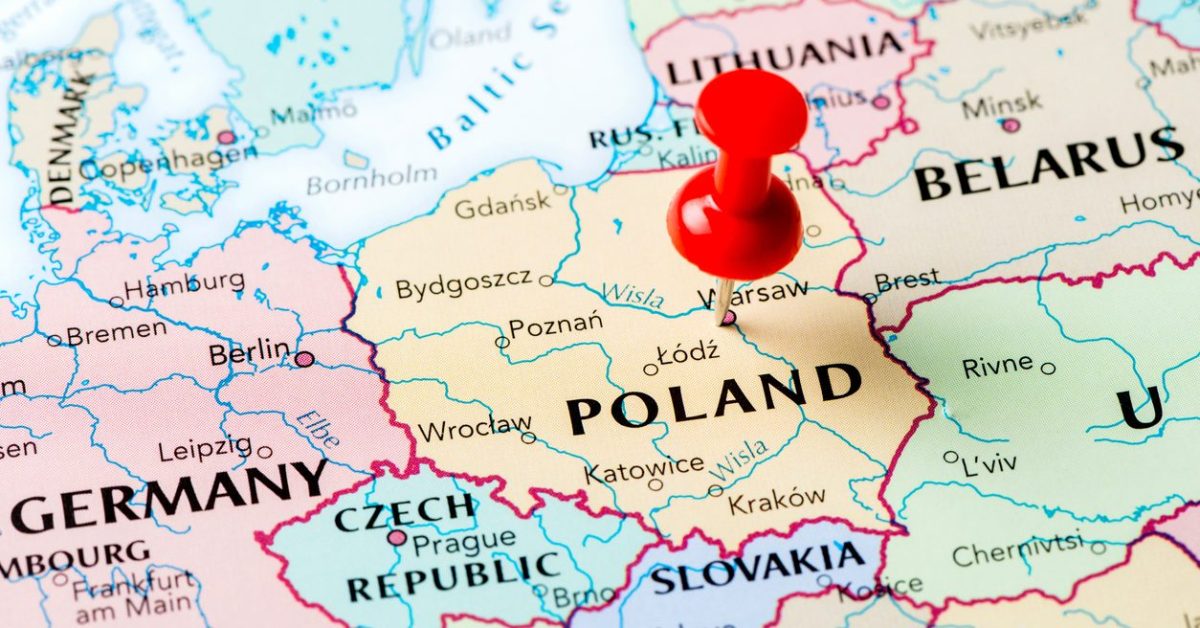
The city of Sopot, picturesquely situated on the Baltic Sea, has been aspiring for years to build its position as a cultural and tourist centre in the Baltic Sea region. In recent years, we have been particularly intensively developing international cooperation with resorts in Germany, Estonia, Lithuania, Latvia, Finland, and Sweden. These efforts culminated in a series of events organised last year, which opened a new chapter in building a transnational dialogue about cultural heritage, architecture, and the future of seaside resorts.
A shared concern for the heritage of spa towns
One of the key events of 2024 was the international scientific conference entitled “Architecture of Baltic Sea Spas at the Turn of the 19th and 20th Centuries,” jointly organised by the City of Sopot, the Sopot Museum, the City Conservator’s Office, and the partner city of Heringsdorf. The meeting, held on October 9-10 at the State Art Gallery in Sopot, brought together researchers and experts from Poland, Germany, Estonia, Lithuania, Latvia, and Scandinavia. Conference participants focused on the region’s shared architectural heritage and the challenges facing resorts with rich spa histories today.
The speakers at the conference included renowned researchers, and the lectures focused on topics such as the development of bathing resorts and urban planning in towns like Heringsdorf, Zinnowitz, Sopot, Pärnu, and Haapsalu. The conference served as a platform for exchanging knowledge and strengthening international cooperation. There was a recurrent emphasis on the need for joint efforts to protect this unique cultural landscape and to work towards achieving global recognition of its values.
Publishing and popularisation activities
The conference will lead to a post-conference publication, set to be released in late August or early September 2025. This bilingual publication, available in Polish and German, will include most of the papers presented at the conference. It will serve as a valuable resource for professionals, students, architects, and decision-makers engaged in heritage conservation. The publication is funded by the City of Sopot and its German partner.
The Sopot Museum, in collaboration with the city of Heringsdorf, has organized a joint outdoor exhibition that highlights the unique spa architecture of both towns. This exhibition is open to residents and tourists alike, with the goal of promoting this distinct heritage and raising awareness about the importance of preserving and enhancing historic spas in a contemporary context.
Towards UNESCO: a joint initiative of Baltic resorts
One of the most significant results of Sopot-German cooperation is the proposal to submit a joint application for the inclusion of the Baltic Sea region’s spa architecture on the UNESCO World Heritage List. This initiative, initiated by the Heringsdorf authorities, has generated considerable interest from the City of Sopot, which has actively engaged in the process, collaborating with the National Heritage Institute and the Polish Ministry of Culture and National Heritage.
One of the most significant outcomes of the Sopot-Heringsdorf cooperation is the proposal to submit a joint application for the inclusion of the Baltic Sea region’s spa architecture on the UNESCO World Heritage List. This initiative, launched by the Heringsdorf authorities, has generated considerable interest from the City of Sopot. The city has actively engaged in the process by collaborating with the National Institute of Cultural Heritage and the Polish Ministry of Culture and National Heritage.
Study visits by representatives of both cities not only allowed for a better understanding of local conditions but also for the joint development of a strategy for the protection and promotion of spa heritage. Currently, efforts are being made to expand the group of signatories for the application, with plans to include other Baltic cities that are interested in collaborating in this area.
Baltic Horizons – sculpture as a language of climate dialogue
Another interesting element of Sopot’s international cooperation was the Baltic Horizons initiative. We organised an international sculpture competition aimed at integrating artists and cultural institutions from the Baltic Sea region. Our goal was to highlight the challenges of today through art displayed in public spaces. Art served as a tool for dialogue, diagnosis, and future design. The selected sculptures from the competition were designed to blend into Sopot’s urban environment while simultaneously raising environmental awareness among viewers. The competition jury included representatives from cultural institutions in Poland, Lithuania, Latvia, and Finland. Baltic Horizons was not only an artistic project but also a social and educational initiative, illustrating how art can foster enduring international partnerships.
Sopot – a literary window to the Baltic Sea
Sopot’s regional cooperation, therefore, has a strong cultural dimension. Another example of this was the 13th edition of the Sopot by the Book Literary Festival (2024). This year’s theme focused on literature and culture from the Baltic Sea region. At the organisers’ invitation, 16 authors from Lithuania, Latvia, Estonia, Finland, Sweden, and Denmark came to Sopot.
The festival, organised in collaboration with institutions such as the Swedish Art Council, Finnish Literature Exchange, Lithuanian Culture Institute, and Latvian Literature, has become a space for dialogue about the shared cultural values, diversity, and identity of the Baltic region. These activities demonstrate that culture, alongside material heritage, is an equally important pillar of regional cooperation.
Sopot as a model of international cooperation
Sopot is steadily establishing itself as a key partner in regional cooperation within the Baltic Sea area. Through the active involvement of municipal institutions, museums, non-governmental organizations, and international partners, the city is exemplifying how to sustainably and innovatively blend tradition with modernity and history with the future.
These initiatives, from scientific conferences, through exhibition and publishing projects, to engaging cultural events, are part of a broader strategy for regional integration based on cultural values, heritage protection, and joint efforts for sustainable development. At a time when regional cooperation is becoming a key tool in building the resilience and identity of the European community, the activities in Sopot illustrate that even medium-sized cities can significantly influence the future of our region on both local and international levels.
Magdalena Czarzyńska-Jachim
Mayor
City of Sopot
Poland
