
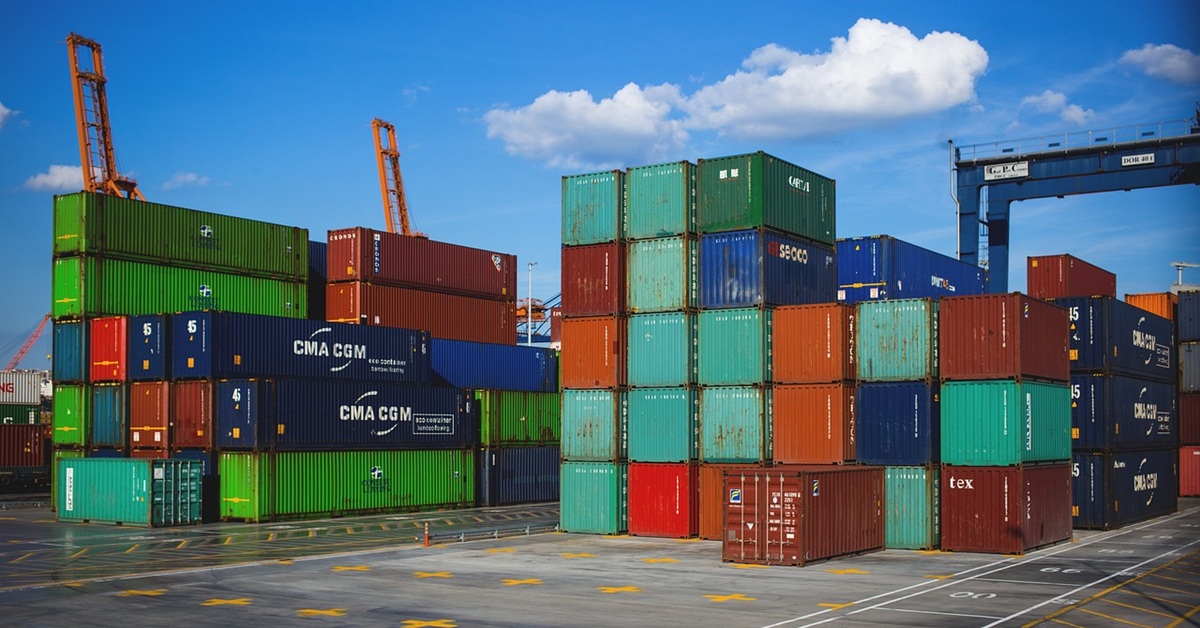
A trade conflict between the European Union (EU) and the United States (US) would raise prices, weaken growth and reduce prosperity on both sides of the Atlantic. The EU should therefore avoid retaliatory protectionism and instead pursue greater trade openness with third countries.
The benefits of free trade – beside being a feature of a free society – are substantial. Free trade increases product variety, allows firms to specialise and achieve economies of scale, and exposes domestic firms to international competition, which raises productivity and drives economic growth and prosperity.
Conversely, protectionism distorts production and consumption, shielding inefficient producers at the expense of consumers and more competitive firms. Protectionist policies primarily harm the economies that impose them. That is a crucial argument as to why the EU should avoid a trade conflict with the US.
”“Protectionist policies primarily harm the economies that impose them.”
US tariffs will mostly harm US consumers and importing firms by increasing prices and reducing efficiency. EU exporters will also be affected, as higher prices reduce US demand for EU goods. However, EU firms can mitigate this initial decrease in demand by expanding into other markets.
If the EU retaliates with new tariffs, EU consumers and importing firms bear the main costs through higher prices and further market distortions. At the same time, retaliation risks escalating a trade conflict, harming both economies.
In theory, retaliatory tariffs can serve as a deterrent. But this approach is costly and uncertain. A better strategy is to negotiate lower trade barriers by offering to reduce existing barriers. Fewer barriers benefit both parties, especially the party opening itself to greater competition and trade.
The EU has considerable room to liberalise its own trade regime. While the EU promotes free trade internally, external barriers remain extensive. In the EU, 75 pct. of the collected customs duties are destined to the EU budget and make up more than 10 pct. of the total budget in the EU, creating incentives to preserve them despite the costs imposed on consumers.
In addition to the more visible barriers as tariffs, non-tariff barriers (NTBs) play a significant role. Tariff quotas, technical standards, and extensive regulation often raise the cost of entering the EU market.
One example is that technical standards and extensive regulation in the automotive industry requires third country manufacturers to adapt their cars to the EU market.
Another example is the Corporate Sustainability Reporting Directive (CSRD), that impose extensive reporting requirements not only on European firms but also on third country firms operating in the EU. Regardless of the directive’s broader objectives, the effect is higher compliance costs and reduced trade.
Recently more explicit protectionist policies have returned. The EU Commission wants to include “Made in Europe” criteria in public procurement, which would reduce international competition and increase costs for taxpayers and consumers.
Even though it is difficult to quantify the scope of NTBs, there is no doubt that they impose significant barriers to trade between the EU and third countries.
When negotiating trade deals with third countries, the EU should focus not only on removing foreign barriers, but to a greater extent remove its own barriers of entry – both tariffs and NTBs. This would especially benefit EU consumers.
Protectionism is often justified to shield domestic industries. However, that is a misguided consideration. International trade and competition drive development through innovation and increased productivity. Free trade promotes producers that deliver the best and most affordable products to consumers. Barriers to trade drive up prices and reduce quality.
Allowing the market to work efficiently ensures that resources are used where they create the most value. Some firms will inevitably lose in international competition, just as some firms do in domestic markets. This is a desirable outcome, as the competition ensures that resources are shifting toward more productive uses.
Even if competition is driven by foreign subsidies, barriers to trade are harmful. If other countries deliver cheaper and/or better products – subsidized or not – it is of benefit to consumers. In effect, foreign taxpayers help finance cheaper goods in Europe.
If policymakers want to support workers or industries facing adjustment costs, direct and targeted measures are preferable to trade barriers. Retraining programs or temporary income support are less distortionary than tariffs.
A trade conflict between the EU and the US would damage both economies. However, trade barriers harm the part that introduces them the most. For that reason, the EU should pursue openness and avoid retaliation, regardless of the trade policies of other countries.
Line Andersen Wendland
Economist
Center for Political Studies (CEPOS)
Denmark
line@cepos.dk
