In May of 2026 the European Commission adopted a new Fertiliser Action Plan, a response to rising fertiliser costs, aimed to reduce Europe’s dependency on imports, and accelerate the shift toward bio-based and circular nutrient solutions. The timing coincides with the CiNURGi – Circular nutrients for a sustainable Baltic Sea Region project publishing its results on how to support nutrient recycling.
The fertilizer market, which has been disrupted by the Russian invasion of Ukraine, is dependent on imports and directly impacts food security in Europe. All crops need nutrients to grow, mainly phosphorus, nitrogen and potassium, which form the basis of most fertilizer products. With rising costs and higher risks of disruption of supply in the fertilizer market, European food security has become a gateway into the discussion of nutrient recovery and recycling.
Nutrient recovery and recycling of critical raw materials
Nutrient recovery and recycling means extracting specific nutrients from available biomasses and reusing them. This method should be contrasted with mining, to demonstrate the different approaches to extracting nutrients. Taking phosphorus as an example: phosphorus, a finite resource, is a critical raw material in Europe. It can be mined or extracted from biomasses, turning it into either conventional mineral fertilizer or bio-based fertilizer. Phosphorus is mined predominantly outside the EU, raising concerns about long-term availability, while the second option is largely untapped potential for a circular economy. Though nutrient recycling is more expensive than mining, when looking at production cost only, the linear approach to nutrient use—extract, apply, discard—has proven unsustainable. Phosphorus can be found in abundance in biomasses in parts of the Baltic Sea Region, and it is mainly known as the cause of eutrophication of the waters. Being able to prevent the precious nutrient from running into waterways, recovering it and reusing it in the form of fertilizer to grow crops, is the one part of the rationale behind nutrient recycling.
Now the prevailing discourse relating to the security and resilience of the European Union has caught on the economic implications of unsustainable fertilizer practices and supports the introduction of more sustainable and circular solutions. The Fertilizer Action Plan is only one tool used to help solve the challenges Europe faces when it aims for self-sufficiency and security in a changing world. The Circular Economy Act, the Bioeconomy Strategy and the Critical Raw Materials Act are all in the same toolbox when it comes to nutrient recycling.
Nutrient recycling: A persistent challenge
Nutrient recycling has been on the agenda, both in policy and in research, in the Baltic Sea Region at least since the 2000’s and has proven to be a persistent challenge to solve. E.g. the EU Strategy for the Baltic Sea Region was launched in 2009, to address the urgent environmental challenges of the Baltic Sea. In the Baltic Sea Region, the challenges revolve around eutrophication and nutrient run-off into waterways which has been associated with agriculture and fertilizer practices. The economics of nutrient recycling show the same challenges as with all circular economy efforts, sometimes it is more expensive to recycle than to remain in the status quo and no one wants to take the risk or pay extra. With the rising costs of conventional fertilizers, the pressure to explore the potential of nutrient recycling is rising.
CiNURGI contributions
Several projects and policies have been implemented to help further nutrient recycling and the CiNURGi project is among the latest. The Interreg Baltic Sea Region financed CiNURGi project focuses on recovering phosphorus from biomasses stemming from agriculture, municipalities or industry and turning it into safe fertilizers. By widening the scope of origin of the biomasses CiNURGi is introducing innovative solutions to expand nutrient recycling into new sectors. In addition to testing technologies, the project is assessing the efficiency of the recycled nutrients and provides authorities with roadmaps to further reduce nutrient losses. The CiNURGi initiatives also include evaluating market opportunities and reviewing policies affecting nutrient recycling.
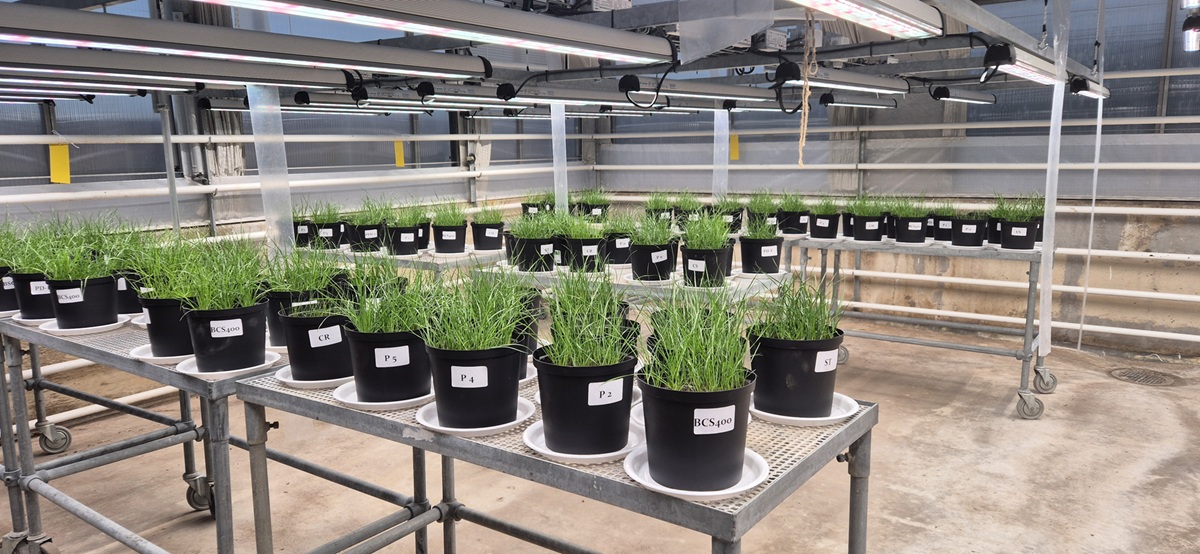
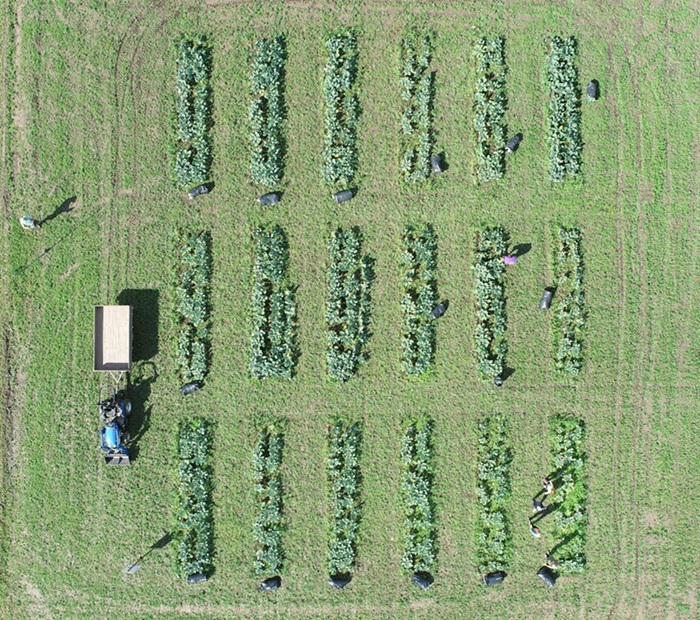
A major element of the Fertilizer Action Plan is expanding the use of recycled nutrients, with special mentions for digestate, phosphorus and nitrogen recovery from sewage sludge and other circular fertilisers. The CiNURGi project has during the last two years experimented with some of these, e.g. digestate and nutrients recovered from sewage sludge, and received encouraging results. These fertilisers developed from digestate and sewage sludge and others commercially available bio-based fertilisers have been tested in lab, field and greenhouse trials comparing them with conventional mineral fertilisers. The bio-based fertilizers tested might not all be able to compete with conventional fertilizers when looking at yield alone, but they do provide additional benefits to the soil that support the use-case of these products. The large-scale field trials also indicate that bio-based fertilizers are usable in large scale fertiliser systems and nutrient management systems [1]. These demonstrations provide the agronomic evidence needed for policymakers and farmers to trust circular fertilisers and accelerate their market uptake.
Supporting the Circular Economy
For nutrient recycling the main challenges in fertilizer production are scale-up and commercialisation. The technologies for recovery and recycling exist, but the market for the products is still emerging. There are several explanations as to why, but one is that creating fertilizer from various biomasses means that there is no silver bullet, no single best technology that could solve the situation completely. Another is the lack of consumer confidence farmers have in recycled fertilizers regarding quality, consistency and safety. The EU has regulations for fertilizers, but they were created with conventional fertilizers in mind. The regulatory framework for recycled fertilizers is fragmented across EU member states and there are no established industry standards. CiNURGi has been working to rectify the situation, having completed a set of draft industry standards for recycled nutrient fertilisers [2]. To continued development and implementation of these standards would support the creation of a stronger European fertiliser value chain and domestic production, as laid out in the Fertiliser action plan.
To support domestic production the CiNURGi project has mapped available feedstocks containing nitrogen and phosphorus already present within regional biomasses in the Baltic Sea Region [3]. This knowledge can help replace part of the demand for imported mineral fertilisers with locally recovered nutrients from agriculture, municipalities and the industrial sector, and contribute to more resilient regional nutrient supply chains in the Baltic Sea Region.
The Baltic Sea Region model
In the Baltic Sea Region, the CiNURGi project is impacting policy on a regional level through HELCOM, the Baltic Marine Environment Protection Commission. The project has produced policy recommendations that contribute to the implementation of the HELCOM Baltic Sea Action Plan. The first objective in the recommendations is that the Baltic Sea Region should aim to become a model area for nutrient recycling [4]. The CiNURGi experts who’ve compiled the recommendations maintain that this goal could be reached in the next 3 -7 years. The successful implementation of these recommendations would create geographically closed nutrient loops within the Baltic Sea Region, which is a more ambitious circularity concept than simply increasing recycled fertiliser production.
[1] https://interreg-baltic.eu/project/cinurgi/#output-6 and https://interreg-baltic.eu/project/cinurgi/#output-8[2] https://interreg-baltic.eu/project/cinurgi/#output-5
[3] https://interreg-baltic.eu/project/cinurgi/#output-3
[4] https://interreg-baltic.eu/project/cinurgi/#output-7
