
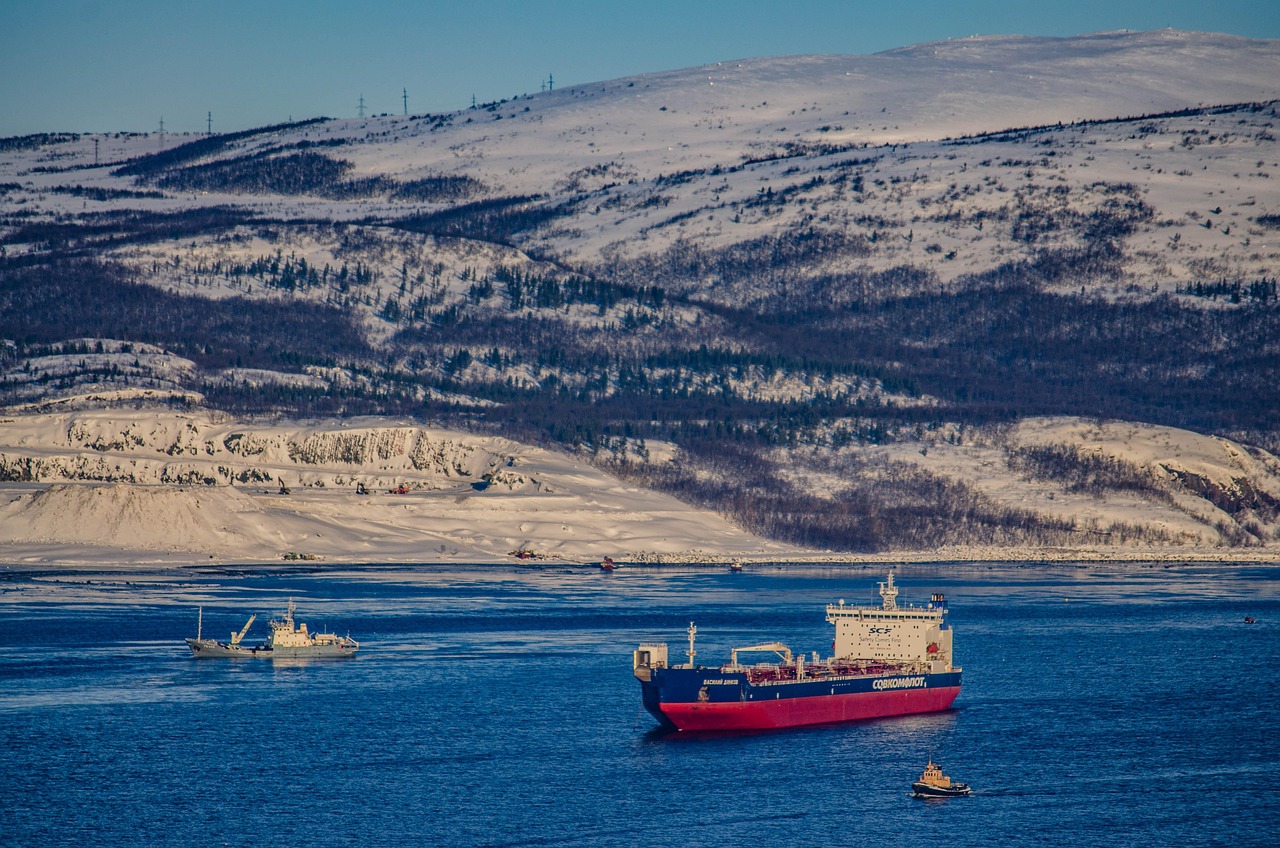
Russia’s northwestern regions are facing growing security concerns, financial difficulties and problems with public services as the war in Ukraine continues. In his BSR Policy Briefing 6/2026 analysis, research fellow and analyst Miłosz Bartosiewicz from the Russian Department of the Centre for Eastern Studies (OSW) examines how the war is affecting these regions and their people. The report covers political, security-related, economic, financial as well as social dimensions.
The Northwestern Federal District consists of seven oblasts – Arkhangelsk, Kaliningrad, Leningrad, Murmansk, Novgorod, Pskov, and Vologda; two republics – Karelia and Komi; the Nenets Autonomous Okrug, and the federal city of St. Petersburg. The district borders several NATO countries, including Finland, Sweden, Norway, Estonia, Latvia and Lithuania, as well as Poland. The location near NATO borders, combined with growing military activity and economic pressure, makes the region important to follow.
”The location near NATO borders, combined with growing military activity and economic pressure, makes the region important to follow.
Miłosz BartosiewiczBSR Policy Briefing 6/2026
Regions contribute to costs of war
The region has seen increased military activity and security measures. Ukrainian drone attacks have also targeted sites such as ports, shipyards and energy facilities. The war is also putting growing pressure on regional budgets. Local authorities are expected to help cover military recruitment payments, support soldiers and their families, and fund reconstruction projects in occupied Ukrainian territories. At the same time, many regions are facing falling tax revenues, rising costs and growing debt.
Costs affect the everyday life of citizens
These financial pressures are affecting everyday life. Healthcare services, schools, housing and local infrastructure are already struggling in many areas. Shortages of doctors and problems with ageing water and heating networks are among the key concerns. As more public money is directed towards the war, these problems may become harder to solve.
The situation reflects nationwide trends
Bartosiewicz argues that the situation in northwestern Russia largely reflects developments across the country. The Kremlin continues to tighten its control over regional authorities, while local governments are given more responsibility for the costs of the war. Although widespread public protests remain unlikely for now, growing problems with living standards could lead to more local discontent.
