
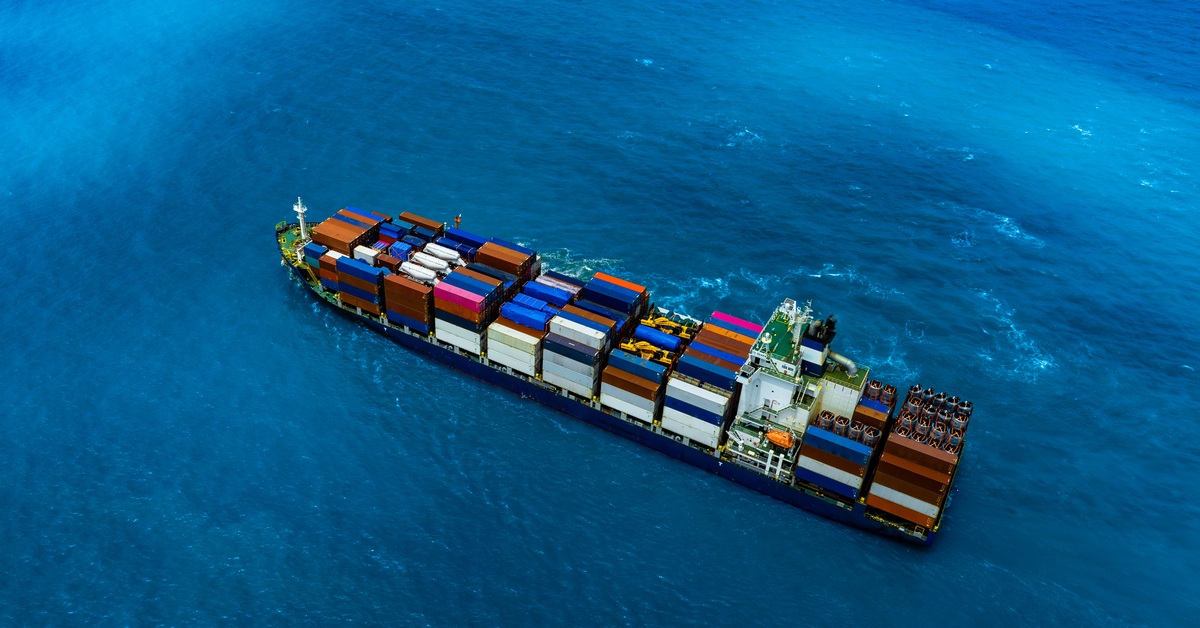
The security situation in maritime logistics has changed. There are several explanatory factors, such as climate change and geopolitics, that are changing the operating environment. The importance of cybersecurity has increased. The phenomena are global and manifest in different ways in different sea regions. A single operator in maritime logistics has little chance of influencing them, but by taking different risks into account, as well as by anticipating and reacting, maritime logistics can be made safer and more secure.
Undisturbed transport chains are of paramount importance for the development of the world and national economy, as well as for economic development and various operators. Maritime logistics also play an important role in ensuring security of emergency supply in various crisis and disruption situations. When looking at the safety, security and cargo securing in maritime logistics, attention must be paid to occupational safety, the environmental impact of operations and adequate protection and cargo securing of the products being transported.
Safety at work in maritime logistics
In maritime logistics the accuracy of cargo information is of great importance also for occupational safety. Incorrect and incomplete cargo information and misdeclared dangerous cargo can cause dangerous situations when the ship is at sea, with limited available rescue operations. Particularly dangerous are the various fire situations onboard.
Occupational safety includes awareness and prevention of risky situations, maintenance of safe working environment and up-to-date skills. For example, an occupational safety risk in seaports and logistics operations is fumigants used in goods transported in containers and different dangerous situations when opening containers. Inadequate advance planning can jeopardise occupational safety.
In seaports, where employees represent different organisations, a common occupational safety culture is of great importance. By sharing information and increasing awareness of occupational safety risks and with occupational safety guidelines, it is possible to make maritime logistics safer.
Environmental impacts of maritime logistics
To slow down climate change, it must be possible to reduce emissions from maritime logistics and various adverse effects. With adequate loading plans it is possible to make the use of transport capacity and resources more effective. The aim is to make maritime transportation more efficient and less energy-consuming. New low-emission fuels are also being developed. New green fuels and the energy used in their production must also be sustainably and responsibly produced. With appropriate packing and sufficient cargo securing and lashing, products can be transported undamaged and there is no need to be re-produce or retransportation. Also, no waste and wastage will be caused. Together, all these can reduce environmental burden and negative environmental impacts. To achieve these goals continuous development, research and further education is needed.
Seaworthy packing and cargo securing in maritime logistics
Usually, the transport chain includes several types of transportation. The packing and cargo securing must be planned and made according to the most demanding transport mode during the transport chain from the beginning to the end. Particularly the stresses during maritime transport differ greatly from the challenges of other modes of transport. For this reason, the packing and cargo securing must plan and do for maritime transportation, even if the cargo transport unit is transported partially by another transport mode. Most cargo damage could be prevented with the right planning. It is important that the goods are delivered to the recipient in good condition, in the agreed schedule and that the transport equipment is not damaged.
A seaworthy package is a package that provides sufficient protection against the mechanical and climatic stresses of maritime transport. The purpose of the package is to protect the product from the environment and the environment from the product, to facilitate the handling of the product, to enable and withstand cargo securing and lashing during transport, and to provide adequate information about the product. Inadequate and incorrect planning, packing, cargo securing and lashing may cause hazards to people, goods and the environment during the transport chain. It has been said that an inappropriate and broken package is the most unecological one.
The purpose of the packing and cargo securing is to reduce cargo damage, improve transport safety, increase risk management and reduce environmental damage. Cargo damage causes always also indirect costs and harm, and all damage is not compensable or measurable with money. Therefore, the proper packing, sufficient protection, right cargo securing and required information about the product is crucially important.
In Finland, the Cargo Securing Working Group works together across borders to promote cargo securing and to make logistics safe, taking into consideration different modes and actors of transport.
Anne E. Suominen
Senior Planning Officer
Turku School of Economics, University of Turku, Pori Unit
Finland