
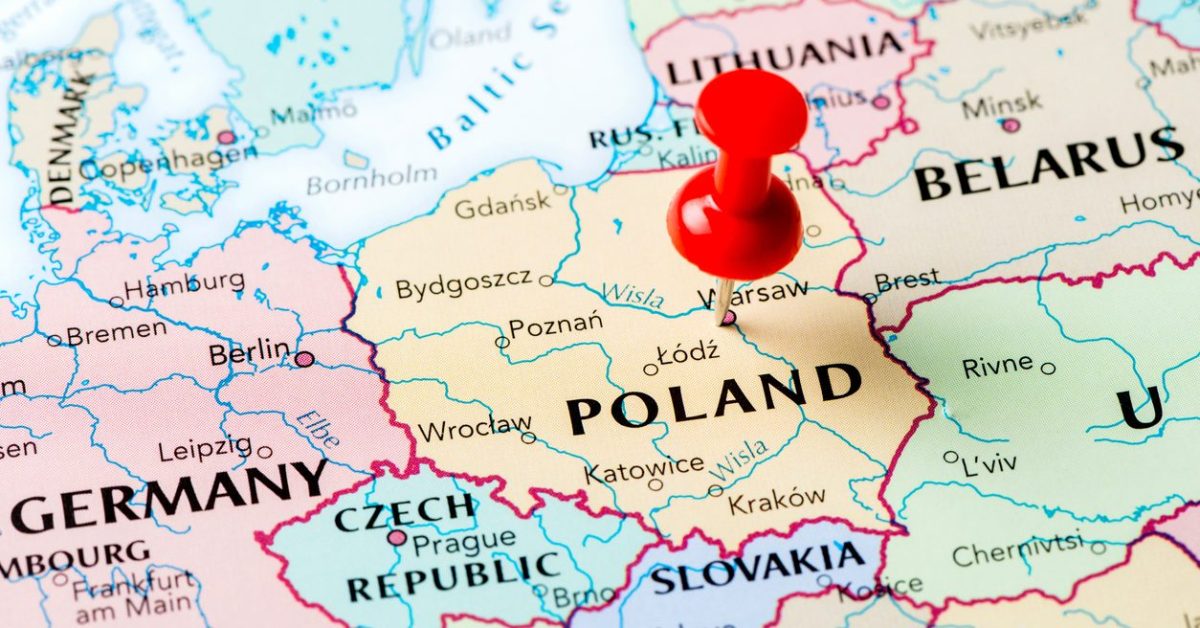
Is there a coherent identity among the medium-sized cities located across the Baltic Sea region? They form a mosaic of nations, languages, with hybrid identities memories shaped by centuries of trade, migration, and shifting borders. What truly binds these cities is a set of values derived from the solidarity of modern Europe: openness to multiple perspectives, a legacy of civic egalitarianism, and a blend of self-governance, entrepreneurship, technical ingenuity and commercial ethics founded on trust, reputation and respect. The pragmatism of the urban middle class enduring ethos of work, autonomy and civic responsibility has shaped the city of Szczecin.
Cities reflect human enterprise, and museum collections reflect that labour, passion, wealth, and creativity. For Baltic cities undergoing industrial transformations, economic metamorphoses, and social revitalizations – often linked to lost industrial potential based on waterways – cultural heritage can serve as infrastructure for the future. Medium-sized cities striving to be smart, sustainable, and innovative often invest in starchitecture to articulate and reinforce their identity. The foundation of a territorial brand lies in legitimizing its own narrative – a founding myth, once chronicled in legends, today expressed through storytelling. No one can steal a community’s legends or aspirations. By investing in museums, a city invests in its narrative, a source of local pride, belonging, and social cohesion. Cities that adopt cultural heritage as a pillar of development gain a competitive advantage grounded in trust, shared values, a multigenerational brand, uniqueness, as well as civic engagement, care, rootedness, stability.
The value of cultural heritage, if properly preserved and actively maintained, increases over time – both economically and culturally. This growth, however, depends on continuous investment, sustained public engagement and social responsible, effective management. Cultural heritage is a cumulative value: it cannot be consumed, reproduced, or manufactured, but it can be cultivated – or lost – in a symbolic sense. This heritage represents the archetype of circularity and stands as the very quintessence of circular economy, where value is preserved, regenerated, transmitted rather than extracted and depleted.
Szczecin provides a compelling example. In the early 20th century, wealthy entrepreneurs established a unique architectural complex crowned by a monumental museum at its centre – today the National Museum in Szczecin. In the 21st century, a community seeking its identity – a true cultural melting pot, bringing personal memorabilia and shared memories – contributed to the realization of the Dialogue Centre ‘Upheavals’, a department of the National Museum in Szczecin. This underground pavilion located near the Philharmonic Hall – both buildings internationally recognized and recipients of numerous awards for their architectural excellence, demonstrates the impact of innovative starchitecture and its contribution to the urban landscape.
Museums, once costly extravagances of the bourgeoisie, have today become profound expressions of social responsibility and instruments for building urban identity, myth, and legend – a symbolic map of the city as well as a form of economic storytelling. Museums are repositories of past innovation and achievements of civilization, resources of knowledge, experience and values that, if wisely managed, will inspire future generations. A museum collection is neither raw material nor traditional capital, but a unique symbolic asset.
Museums implement innovations that often influence broader public services, enhancing the reception of change. Research conducted on the determinants of innovation processes in Poland’s national museums has shown that these institutions possess substantial innovative potential. Between 2011 and 2020, the studied museums conducted approximately 150 innovation processes, implementing over 50 different innovations. The simplest were imitative, sometimes even superficial, but 30% were creative innovations based on advanced research and even discoveries. Advanced technologies enable museums to mediate encounters with the past, allowing visitors to analyse historical events, decisions, and discoveries from the present perspective. A museum serves as a repository of potential, discarded and realized scenarios. No other place allows such a comprehensive understanding of the consequences of commercial, geopolitical, municipal, or social decisions.
Museums have a city-creative function – they integrate public space, strengthen identity, and enhance tourist appeal. They are places where people experience pride, nostalgia, curiosity, and even shame. Museums foster resilience, which supports creativity, risk-taking, and investment in the future. They teach innovation and entrepreneurship through audience participation in reconstructions of both the earliest and subsequent historical solutions to perennial human problems. Today, museums serve as centres of social innovation, participatory projects, and education, which in turn strengthen and accelerate their own development. Investing in museum is therefore not only investing in identity and memory, but also in collective intelligence.
Anna Marszal
PhD, Strategic Development Specialist
National Museum in Szczecin
Poland