
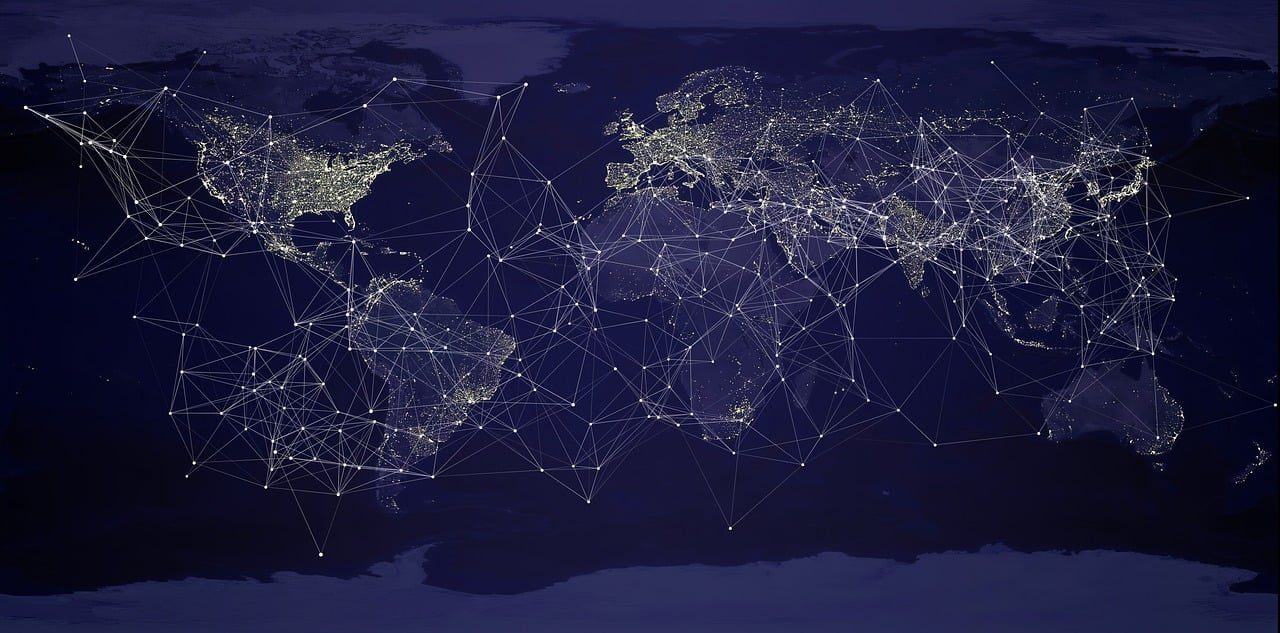
Europe’s security landscape has been fundamentally reshaped. Russia’s war in Ukraine has forced nations to reassess how information is gathered, shared, and acted upon. In the Baltic and Nordic region, countries approach this differently, but the overall direction is the same: improving resilience through cooperation, practical innovation, and the ability to adapt quickly.
Traditional centralized systems were effective in slower, more predictable contexts, but they are too rigid for today’s fast-moving crises. Modern operations require flexible, shorter decision cycles where relevant information reaches the right people at the right moment. Command structures remain essential, but the way decisions are supported is changing.
Across the Baltic Rim, new capabilities are emerging. Digital twins allow operators to test responses before crises occur, while extended-reality environments enable safe rehearsal of complex scenarios. Remote-operation systems reduce risk by allowing critical assets to be inspected or controlled from secure locations. Combined with secure communications and positioning, these tools help build a clearer shared picture.
Today’s challenge is no longer access to information, but the sheer volume of it. No human can handle the volume, speed, and diversity of modern data flows without assistance. This is why distributed decision-support nodes, operational “brains” capable of fusing sensor data, legacy systems, and field inputs, have become essential. Human-in-the-loop AI strengthens judgment as a tool rather than replacing it. In many European organisations, legacy systems are still the backbone of daily operations, which makes reliable integration, not replacement, critical. Integrated digital environments, including metaverse-style operational spaces, help filter what matters and present information in a way that people can act on efficiently. Platforms such as ProVerse illustrate how data fusion, visualisation, simulation, and remote operations can be brought into one environment to support these decisions and provide a shared visual and spatial understanding that traditional systems cannot offer.
Equally important is secure cross-border interoperability. Nordic, Baltic, and Central European partners increasingly need systems that can grant temporary, role-based access to operational data, allow shared situational environments when necessary, and still safeguard national autonomy. This kind of permission-based cooperation makes it possible for systems to operate independently day to day yet connect within a common environment when the situation requires it.
These developments support a wider European objective: building technology-independent, interoperable systems that reinforce sovereignty and trust. The challenge now is to turn promising pilots into capabilities that last.
Edge intelligence is already becoming routine in exercises. Shared standards, regular training, and transparent evaluation help civil, and defence actors work together when a real crisis occurs. Preparedness brings clarity and calm, helping leaders and communities act with composed steadiness when it matters most.
That same trust must extend to the systems we build. Technological sovereignty and ethical responsibility remain essential. AI and automated systems should be transparent, auditable, and under human control. At the same time, Europe cannot allow long bureaucratic debates to slow the development of capabilities that are urgently needed. Innovation and responsibility must advance together by building systems that are safe, but also fast enough to keep pace with a changing world. Europe should not settle for following others but aim to set the direction and provide a genuine tactical advantage for its own region.
By 2030, the Baltic Rim could show how smaller nations can act together with purpose, supported by technologies that shorten the distance between sensing and response. With continued progress in cross-border digital infrastructure and AI-assisted decision support, the region can demonstrate a practical and democratic model for resilience.
Ultimately, intelligence at the edge builds on human judgment. It gives people the tools and information they need to make more informed, faster, and safer decisions. In the end, Europe’s strength will rest on its ability to connect insight with action, responsibly, decisively, and together.
ProVerse Interactive
Finland