
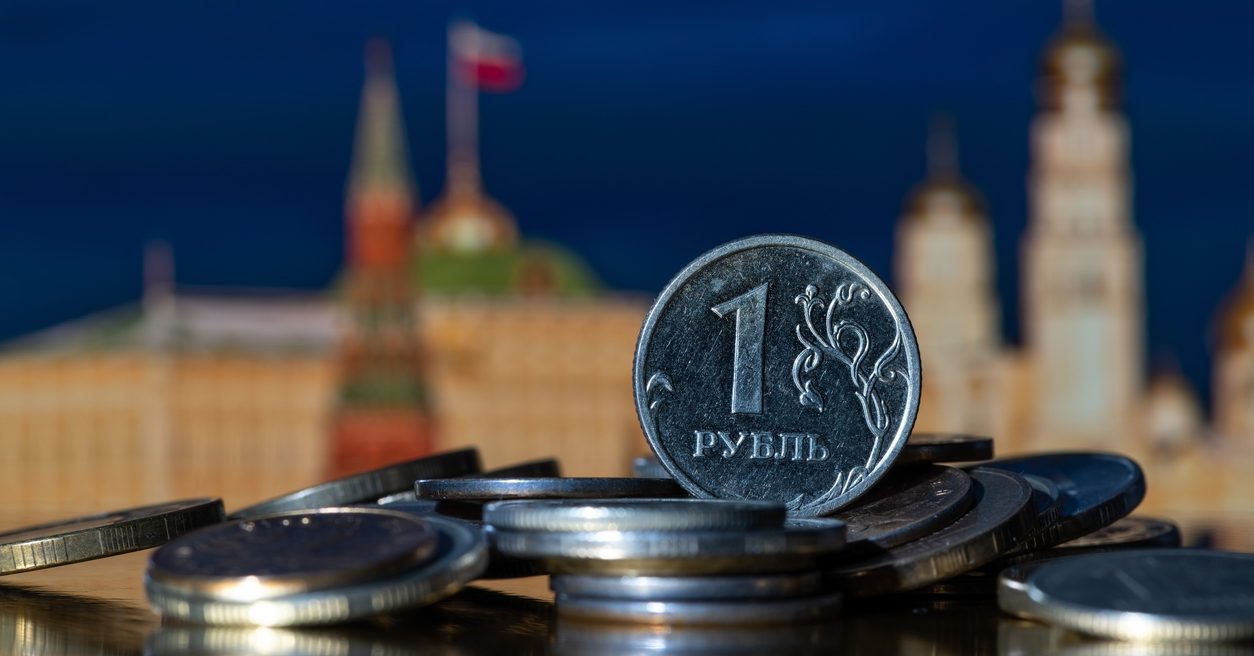
The latest BSR Policy Briefing, authored by Sergei Gladkov, provides a comprehensive analysis of how Russia’s foreign direct investments (FDI) have changed since the full-scale invasion of Ukraine in 2022. The findings are particularly relevant for policymakers, researchers, and businesses in the Baltic Sea Region, where Russia’s economic presence has been visibly shrinking.
Capital flows are directed to “friendly” states
The report shows that Russia’s outward investments have collapsed dramatically, falling to less than half of pre-war levels. Investment in the European Union and the United States has practically disappeared. Instead, Russia has attempted to redirect capital flows toward what it calls “friendly” states such as China, Turkey, Central Asia, and parts of the Middle East. Yet these new ventures are smaller in scale and carry more risk compared to earlier investments in Western economies. At the same time, the Kremlin has tightened regulations on outward investments. Large transactions abroad require approval, while offshore schemes are increasingly restricted.
Investment projects in Europe are terminated, frozen, or sold off
This changing landscape has had profound implications for Europe. Russian investment projects that once gave Moscow an economic foothold in the area have either been terminated, frozen, or sold off. For example, in 2023 Lukoil was compelled to sell its oil refinery in Sicily, with proceeds largely blocked under sanctions. Similar disposals occurred across Europe, weakening Russian corporate control over assets. Other Russian companies have sought to safeguard their holdings by relocating to jurisdictions such as the United Arab Emirates and Singapore, while some have shifted assets into real estate markets in Indonesia and Thailand. Within Russia itself, special administrative regions in Kaliningrad and Vladivostok have absorbed hundreds of firms that previously operated from offshore havens, with nearly 500 companies registered there by 2025.
Russian money is unlikely to return any time soon
For the Baltic Sea Region, these changes mean a significant reduction in exposure to Russian influence. While the decline in Russian capital may reduce certain business opportunities, it also strengthens the region’s economic security by lessening its vulnerability to politically motivated investment moves. The report suggests that Russia’s outward FDI has transformed from being a tool of global expansion into a mechanism of adaptation and survival under conditions of sanctions and isolation. For countries around the Baltic Sea, the long-term outlook is clear: Russian money is retreating, and it is unlikely to return any time soon. Strengthening intra-European ties and building new investment partnerships elsewhere will be key to navigating this new reality.
Read the issue: BSR Policy Briefing 7/2025 – Changes in Russian Investments Abroad Since the Start of the Full Scale War in Ukraine
