
The Baltic Sea region is facing a turning point in how cities manage water. Weather patterns are shifting. Long dry stretches are now followed by sudden downpours that flood streets and strain old drainage systems. Urban growth and industrial activity keep rising, while many networks are decades old and already stretched thin. Freshwater reserves are under pressure, and maintenance costs are climbing. Without coordinated action, cities from Helsinki to Gdańsk could face a future of both drought and contamination, putting health, local economies, and ecosystems at risk.
The Current Challenge
Many municipal water systems in the region were built for climate and demand profile that no longer exist. Large volumes of treated water are still lost through leakage and outdated distribution systems, wasting both energy and financial resources. Stormwater runoff continues to carry sediments and micropollutants into the Baltic Sea, undermining years of environmental restoration. Fragmented management between utilities, industry, and government institutions further complicates reform, slowing the adoption of integrated solutions.
The implications are far-reaching. Declining groundwater reserves and recurrent floods threaten residential areas, transportation systems, and industries. Rising sea levels and saltwater intrusion endanger coastal aquifers and drinking water sources. Each system failure increases the cost of treatment, carbon emissions, and operational risks, reducing the resilience of cities and their essential services.
Towards an Integrated and Circular Water Framework
A sustainable future for urban water depends on how well cities connect technology, design, and governance. The first step is digital transformation. Smart meters, leak sensors, and predictive models can help utilities spot losses early and plan maintenance instead of reacting to failures. When these systems are linked through digital twins, operators gain a real-time view of what is happening underground and where resources are being wasted.
The second step involves closing the loop. Treated greywater can be reused for irrigation, cooling, or street cleaning, which eases pressure on aquifers and reduces the volume of wastewater released back into the environment. In many dense city areas, systems that recover heat and nutrients from used water are already showing clear economic and environmental benefits. Together, these measures turn waste into a working resource and make every drop count before it leaves the system.
Building capacity at the local level is equally important. Utilities and municipalities need skilled personnel to design, operate, and maintain these technologies. Dedicated training programs, regional knowledge-sharing platforms, and financial instruments tailored for green infrastructure can make the transition more attainable for smaller cities. Public awareness campaigns that promote water-saving habits and acceptance of reuse technologies also contribute to success, turning citizens into active partners rather than passive consumers.
Governance remains the harder part. Regulations often lag behind technology, and responsibilities are divided across institutions. Transparent reporting, incentives for efficiency, and public involvement can help rebuild trust and make reforms practical. Policies that reward water reuse and pollution prevention will also help cities coordinate across borders and move toward shared regional goals.
Expanding cooperation between research institutions and municipal utilities will also play a significant role. Pilot projects that assess digital networks or circular reuse systems in medium-sized cities can generate valuable knowledge before wider adoption. Joint funding through European cohesion programs and cross-border initiatives can further support these efforts, ensuring that lessons learned in one location benefit others around the Baltic. Such collaboration helps cities progress collectively rather than through isolated experimentation.
The Contribution
Advancing sustainable water management in the Baltic region requires closer alignment between technical innovation and institutional decision-making. The integration of digital systems, circular resource recovery, and transparent governance can transform fragmented initiatives into a coherent regional effort. Collaboration through EU and HELCOM frameworks offers a practical platform to share experience, pool investments, and harmonize emerging technologies.
Cities that adopt such an integrated approach can move from reactive measures toward long-term resilience. Cleaner coastal waters, reduced operating costs, and greater public confidence are realistic outcomes when planning, technology, and policy work in concert. Strengthened cooperation across national and municipal levels will help define a Baltic model for water systems that are both resource-efficient and climate-ready.
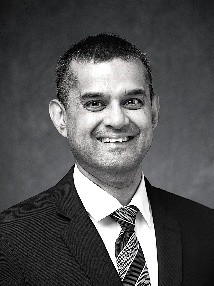
Iqtiar Md Siddique
Ph.D., INCOSE Academic Equivalency Research Consultant
Department of Industrial, Manufacturing and Systems Engineering
The University of Texas
El Paso
USA
iqtiar.siddique@gmail.com