
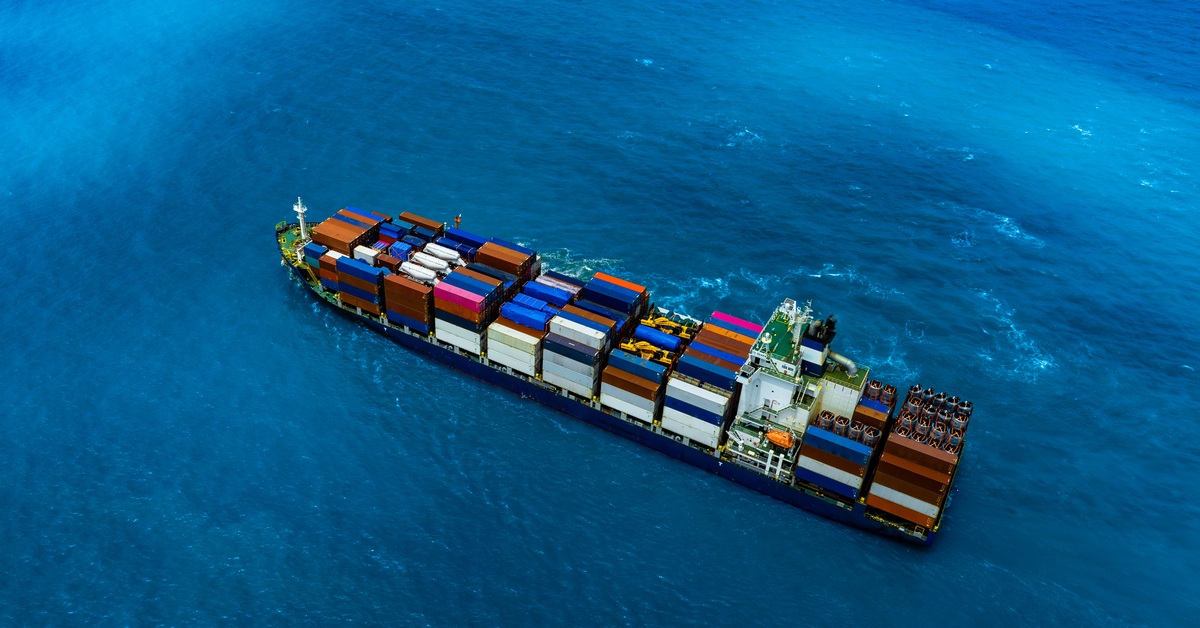
The Baltic Sea boasts one of the most frequent passenger shipping networks in the world and the region is among the busiest maritime areas globally. The maritime connections between the Baltic Sea countries have significantly shaped the economic and cultural development of the region as its coastal states are relatively sparsely populated and difficult to access. The Baltic Sea both unites and separates the states with its coastline.
Maritime transport stands out as an energy-efficient mode of travel, emitting significantly less carbon dioxide per passenger than air transport, particularly over short and medium distances. Many shipping companies operating in the Baltic Sea region have invested in fuel-efficient vessels and innovative technologies such as LNG fuel and hybrid systems to minimise emissions. The region’s designation as a Sulfur Emission Control Area (SECA) has pushed for cleaner fuel.
However, the maritime industry globally faces growing pressure to adopt even cleaner technologies, such as electric ships and renewable energy-based solutions. The prospects include transition to fully electrified maritime transport, particularly between short routes like Helsinki-Tallinn. Investments in port infrastructure, including the installation of onshore power supply and construction of charging stations for logistics operators, aim to advance greener transport and help the Baltic Sea maintain its high environmental standards.
Maritime transport significantly contributes to the Baltic Sea region’s economy, through regular interconnecting ferry connections and cruise tourism. Passenger ferries and cruise ships bring millions of travelers annually to major port cities like Helsinki, Stockholm, and Tallinn, injecting billions into local economies, and only few people know that the ports of Helsinki and Stockholm are among the busiest passenger ports in the world. The visitors support sectors such as accommodation, dining, and retail in port-cities. Moreover, maritime transport provides direct and indirect employment opportunities in ports, shipping companies, and tourism services.
The Baltic Sea, celebrated for its natural beauty and historical landmarks, has firmly established itself as a thriving hub for maritime tourism. The region connects vibrant capitals, picturesque islands, and historic port cities through a well-organised network of ferry and cruise routes. In 2019, the Baltic Sea reached a significant milestone by welcoming a record 6 million cruise passengers, underscoring its immense popularity among travelers. The COVID-19 pandemic disrupted the strong upward trajectory, and the cruise passenger numbers are still slowly returning to normality. The number of cruise passengers is still relatively low compared to the passengers in ferry services: in 2019, the region had a record value of 120 million ferry passengers. The figures dived during the pandemic but have recovered to 93 million passengers by 2022.
The Baltic Sea’s well-developed infrastructure and exotic Nordic location present substantial opportunities for further growth in tourism. By introducing new itineraries to less-explored destinations, the region can distribute economic benefits more evenly and alleviate congestion in its most popular destinations. Addressing seasonality by developing year-round tourism products, such as winter-themed activities or off-season cultural events, would allow the Baltic Sea region to sustain a steady flow of visitors throughout the year.
Yet, more can be done to position the Baltic Sea region as a global leader in maritime tourism. Focusing on eco-tourism is one critical step. In 2024, Helsinki was recognised as the world’s most sustainable travel destination by The Global Destination Sustainability Index. Promoting the maritime transport options as a competitive alternative for the incoming tourists could bring the cities’ green endeavours to the next level. Establishing carbon-neutral cruises and green-certified ports will appeal to the sustainability-minded travelers. Developing curated shore excursions that highlight historical, culinary, and natural attractions can provide passengers with a deeper connection to the destinations they visit – and give a reason to visit the region again and again. Additionally, investing in year-round attractions, such as winter cruises, Christmas markets, and indoor cultural events, will address seasonality and ensure a steady flow of tourists throughout the year.
Maritime transport and tourism are pillars of economic and social integration in the Baltic Sea region. By embracing sustainability, leveraging our cultural heritage and wonders of nature, and investing in services, the region can enhance its global appeal. The trends are on our side as the studies expect increasing tourism demand for the central and northern regions in Europe, as the consequence of the extreme temperatures in the Mediterranean caused by climate change.
Finnish Ports Association
Finland