
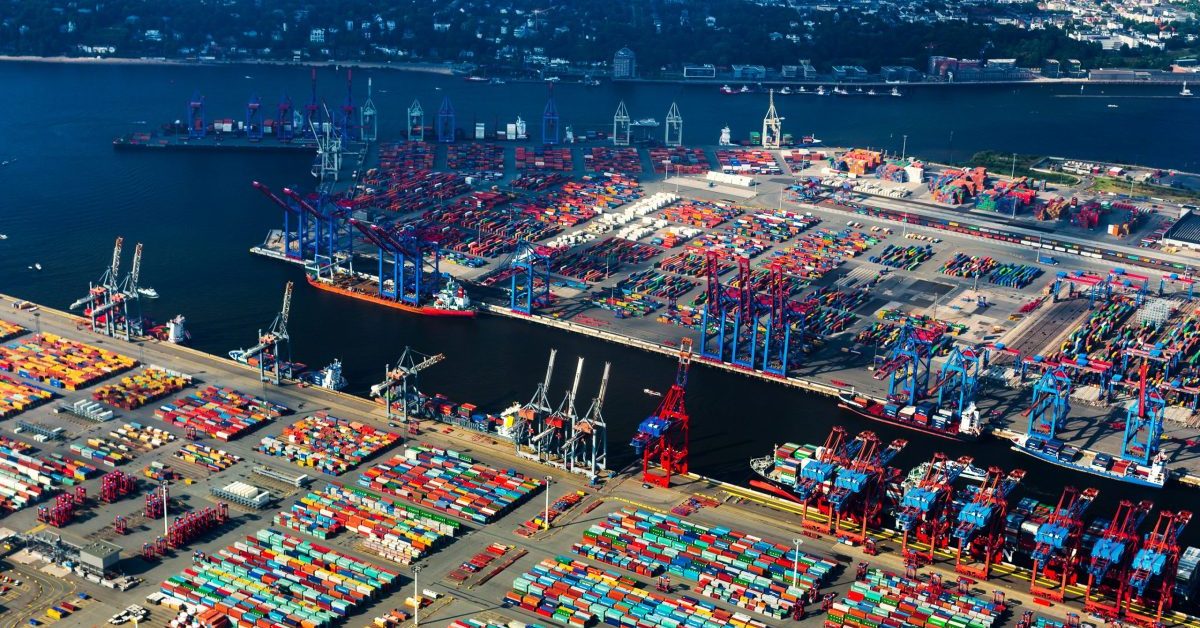
Our new project Circular Ports – Deploying circular economy in port environments got funding decision from Interreg Baltic Sea Region Programme on 14 November 2024.
Circular Ports aims to implement circular economy (CE) strategies in ports. While the European Green Deal and Circular Economy Action Plan emphasize minimizing waste and emissions, they primarily focus on value chains and do not sufficiently explore synergies between diverse sectors. Ports, being hubs for industrial activity, energy production, waste handling, and logistics, provide an ideal setting to develop and test collaborative, cross-sectoral CE solutions.
The project seeks to overcome challenges such as economic constraints, environmental sustainability, and fragmented port stakeholder perspectives. By fostering cooperation and identifying synergies, Circular Ports aims to:
- Avoid or positively utilize waste within CE strategies.
- Strengthen port stakeholders and enhance collaboration.
- Develop new business models based on CE principles.
- Demonstrate how ports can adopt CE strategies and support broader CE initiatives.
Centrum Balticum will be taking care of the project communications and coordinating the work package of transferring solutions. The project partnership consists of port authorities, enterprises, research institutes and business support institutions. Funding is provided by Interreg Baltic Sea Region. Concrete project actions will start in spring 2025.