
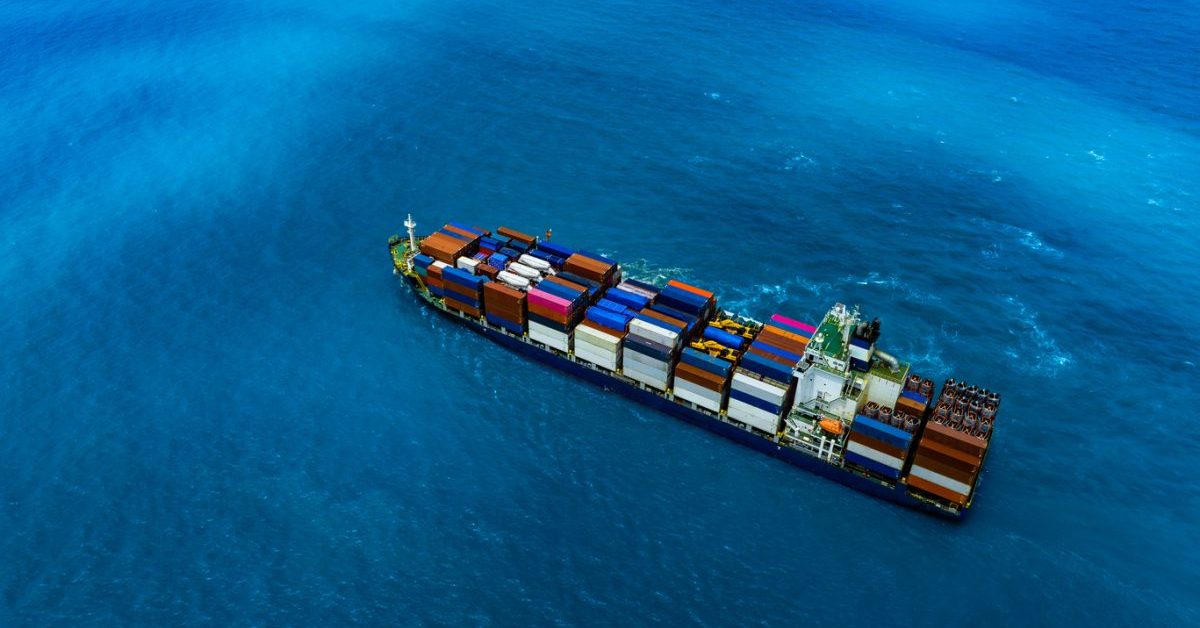
In the latest Baltic Rim Economies 1/2025 publication, experts discuss various topics under the theme maritime transport. Here you can read an article about a few of them.
Volatile seascape of the Baltic Sea
In his article, Lauri Ojala discussed both, the importance of the Baltic Sea for the coastal states, and its unstable seascape. While some coastal states are more dependent on the Baltic Sea than others due to geographical location, trade composition and trading partners, it remains important for all of them.
Ojala points out that despite sanctions, Russia has been able to increase its fossil fuel shipments in recent years and to circumvent sanctions, Russia has relied on the so-called shadow fleet. These vessels which ownership, operation purposes, routes, cargoes and beneficiaries have been obscured, can, in case of accident, cause a risk of environmental damage and problems with insurance coverage. According to Ojala the repeated attacks against telecommunication and energy infrastructure during the last few years are rather deliberate incidents than accidents. It is sure that the security and safety in the Baltic Sea is closely related to the geopolitical climate, and according to Ojala, the situation will probably get worse before it gets better.
Lauri Ojala: The volatile seascape in the Baltic Sea
Ensuring compliance as a key to protecting the Baltic Sea
In her article, Sanna Sonninen discusses the importance of the Baltic Sea and its protection. In addition to the essentiality of the Sea for humans, the Sea also plays a role in tackling climate change. The Baltic Sea is currently facing many, both old and new threats, which require our attention. Sonninen highlights that the current actions taken by international community are no longer sufficiently responding to these challenges and we must find new ways to ensure the well-being and prosperity of the Baltic Sea.
International legal framework, such as the UNCLOS and IMO Conventions, provide us with a good basis for protecting the marine environment, navigation safety and submarine infrastructures. According to Sonninen, we must ensure compliance with these frameworks as the future of the Baltic Sea is in our hands and ensuring rules-based legal order is our responsibility.
Sanna Sonninen: Baltic Sea, “Our Ocean, Our Obligation, Our Opportunity”
Vulnerable Baltic Sea requires protective actions
According to Tomasz Szubrycht, the Baltic Sea, in all uniqueness, is very vulnerable to different types of security threats, including hybrid attacks such as unlawful actions against maritime critical infrastructure, cyberattacks on terminals and GPS jamming. According to Szubrycht, hybrid attacks are attractive for Russia as they have favorable cost-effect ratio, and attributing responsibility and proving intentionality is difficult.
After the outbreak of the war in Ukraine, Russia has been suspected of numerous hybrid activities both on the Baltic Sea and other parts of the world. According to Szubrycht, the threat is not yet over and as the latest events show, immediate and robust action from the international community is needed to secure the Baltic Sea.
Tomasz Szubrycht: New aspects of security threat in the Baltic Sea
Coast Guards as an essential actor in the Baltic Sea
In his article, Mikko Simola focuses on the role of Coast Guards in safeguarding sea lines of communication. Sea lines of communication are essential for global trade and maritime transport but new emerging threats against them impose risks for human life, trade and national security. Coast Guards are in essential position to response to these threats effectively.
According to Simola, the ability of Coast Guards to maintain a comprehensive picture of any activities on the sea through surveillance and intelligence gathering enables proactive response when needed. Coast Guards’ tasks range from having legal authority to enforce maritime laws and regulations, to conducting search and rescue operations. The threats and challenges are directly visible in their work and according to Simola, by investing and empowering Coast Guards, the international community can significantly enhance maritime security, maritime safety and promote sustainable economic development.
Mikko Simola: Role of Coast Guards in safeguarding sea lines of communication
You can read more from the articles of Baltic Rim Economies 1/2025 publication. In case you want to hear more on the topic, the registration for our annual Baltic Sea Region Forum is open and one of the panels is dedicated to the security of maritime transport in the Baltic Sea. You can find the whole programme and registration on the Forum website.
