This year’s Baltic Sea Region Forum will be held on 12 May 2025. The Forum will cover various topics under the theme “Safe and Secure Baltic Sea”. One of the expert panels will be dedicated to discussion on nutrient recycling in the Baltic Sea Region. While nutrient recycling is essential in adaptation to climate change and reduction of fossil fuels and eutrophication, it also plays a role in ensuring security, resilience and security of supply.
Fertilizers bring money to Russia’s war efforts
While the security environment in the Baltic Sea Region is changing, the focus must be on finding solutions to ensure security of supply. Yet, despite the war in Ukraine, Russian exports of fertilisers continue, providing financial support to Russia and its warfare. Some of these fertilisers are further exported to developing countries, while others remain in the EU. Beyond the economic implications of importing Russian fertilisers, their use in the Baltic Sea Region also increases the total nutrient load. The import of additional mineral fertilizers further intensifies this pressure, exacerbating the risk of eutrophication and its consequences for fish stocks, fishing opportunities, and regional food self-sufficiency.
Advancing innovative and viable recycling technologies, along with promoting bio-based fertilisers, will be instrumental in strengthening food security and promoting a resilient, resource-efficient economy. Developing nutrient recycling alsodrives business growth and job creation in rural areas. Ultimately, through more efficient nutrient recycling and management, the Baltic Sea Region can move toward a more sustainable and secure future.
This topic will be further covered by a group of experts in the third panel of the Baltic Sea Region Forum. We welcome you to join the audience in Turku, but it is also possible to follow the event online. Secure your spot and see the full programme on the event website.
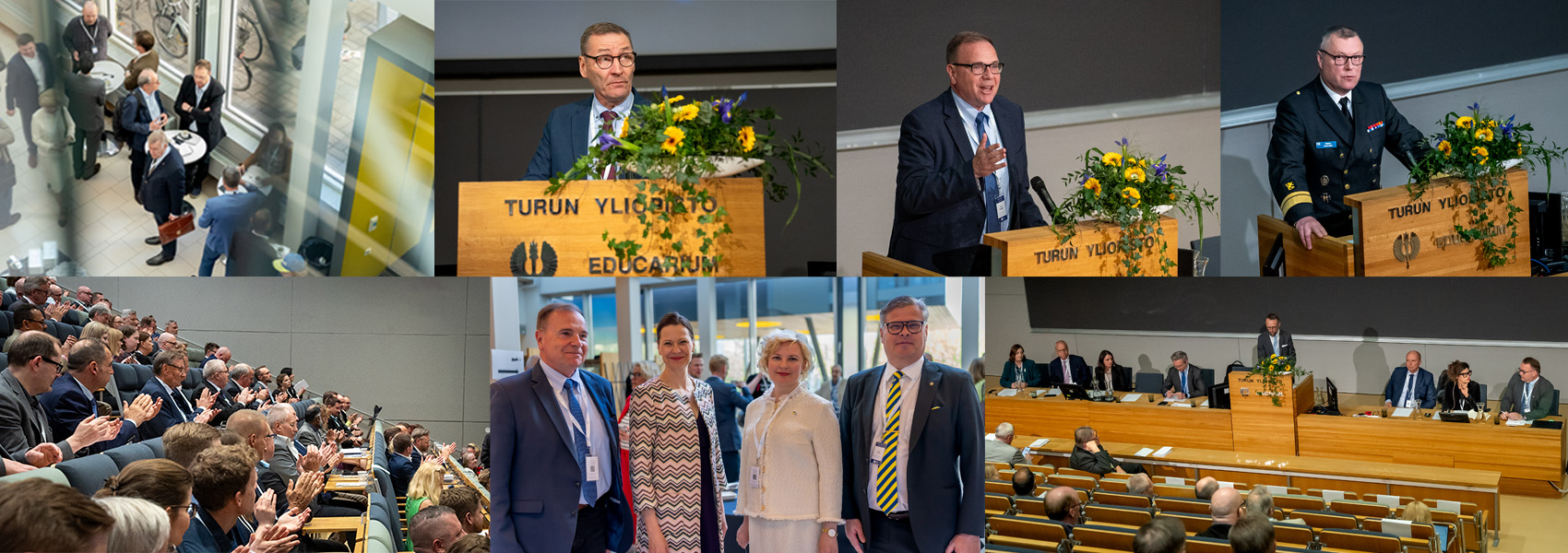
Last year’s event attracted nearly 500 participants.
