
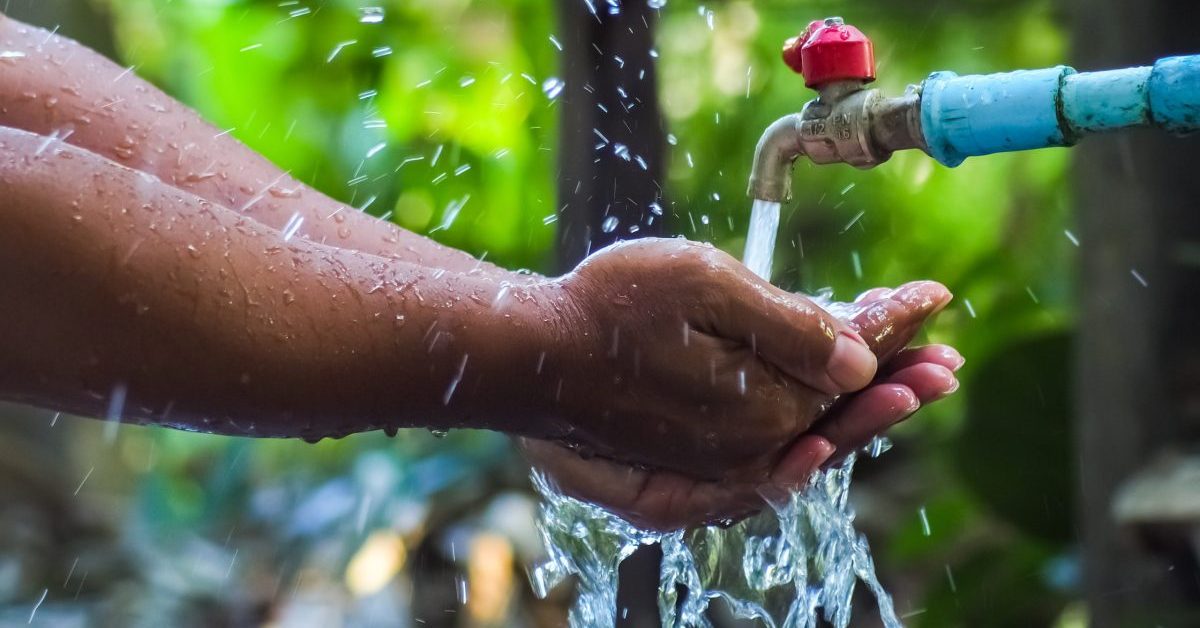
When we open the tap, we rarely think about the complex chain of processes behind the delivery of safe drinking water. Although the European Union sets common quality standards, the treatment steps required to meet them differ. Depending on local conditions, groundwater or surface water may undergo several stages of clarification and purification before distribution. These processes generate a by-product known as drinking water sludge (DWS) – a watery mixture of inorganic minerals, organic matter, and residues of coagulants (most commonly aluminium or iron salts) used to remove impurities from raw water.
Bottlenecks in recycling and reutilisation
Efforts to recover and reuse coagulants from DWS date back more than a century, with the first related patent issued in the early 1900s in the United States. However, despite decades of research, recovery technologies proved too costly and produced impure coagulants that could not compete with virgin materials. Moreover, recovery processes generated additional waste streams that were more difficult to manage than the original sludge.
In recent decades, the focus has shifted towards using DWS as a whole. Its high mineral content makes it promising for use in construction materials, as a soil amendment, or as an adsorbent for pollutants. However, local and seasonal variability in composition, impurities, and occasionally volume, limit its predictability as a product. Hence, for industrial applications, raw materials with well-defined composition and performance characteristics are generally preferred over DWS-derived materials.
Towards a circular approach
Can DWS still contribute to sustainable water management – and how? In the Baltic Sea region, DWS is typically iron-rich, reflecting both the natural occurrence of iron in raw water and the widespread use of iron-based coagulants. Iron exhibits a high affinity for phosphorus – an element of particular importance due to its dual role as an essential nutrient and a major driver of eutrophication. The limited water exchange in the Baltic Sea makes it highly susceptible to nutrient accumulation and eutrophication. Iron is also used in wastewater treatment and can be dosed into anaerobic digesters for sulphur binding. Recent advances in understanding iron–phosphorus interactions have revealed that exposing iron-rich sewage sludge to anaerobic conditions leads to the formation of vivianite – a paramagnetic iron phosphate mineral – providing a new route for phosphorus recycling.
Integrating these applications could create a more circular resource chain across the water sector. Given that most European wastewater treatment plants stabilise sewage sludge through anaerobic digestion, utilising DWS in a preceding step could add value and enhance resource recovery. This was the aim of the recently completed SETTLE project, funded by the European Regional Development Fund (ERDF) and carried out in Mikkeli, Finland. The laboratory results, currently in preparation for publication, showed that acidified DWS can remove phosphorus from wastewater in chemically enhanced primary treatment comparably to commercial coagulants. Nonetheless, a major challenge in achieving independence from commercial coagulants was identified as the mismatch between DWS supply and demand – the studied wastewater treatment plant would require up to ten times more sludge than the nearby drinking water plant could provide.
Therefore, DWS was also tested as an additive in the anaerobic digestion of mixed organic waste. In this application, the available DWS quantities could meet the needs of a regional biogas facility, and no negative effects on biogas production or process stability were observed. This supports practices from the Netherlands, where iron-rich DWS is already utilised in anaerobic digesters to reduce hydrogen sulphide formation.
Outlook
Drinking water sludge has long been viewed as an inconvenient by-product, but new insights into its chemistry and role in nutrient cycling – particularly for iron-rich DWS – are reshaping that perception. By connecting drinking and wastewater treatment through DWS reuse and coupling it with anaerobic processes, it is possible to move toward a more integrated and resource-efficient water sector, where materials are not discarded after a single use but reintroduced as valuable resources. Such approaches also align with the EU’s Circular Economy Action Plan and its objectives for nutrient recycling. For broader implementation, however, technical feasibility must be demonstrated under varying DWS compositions, and regulatory harmonisation across EU countries is needed to enable its recognition as a reliable secondary raw material. Strengthening regional cooperation in the Baltic Sea area could accelerate these developments by fostering knowledge exchange, pilot-scale trials, and shared investment in circular resource technologies.
PhD Candidate
LUT University
Finland